
 CALL FOR A QUOTE TODAY
Decking & Outdoor Renovation Guide: Materials and Design Tips That Add Value
Decking Materials and Design Tips That Add Value to Your Home
Choosing the right decking materials for homes in Vermont, western Massachusetts, and northern New Hampshire means balancing durability, weather resistance, and design. A well-built deck extends your living space, creates a gathering point for family and friends, and adds measurable value to your property.
In the Northeast, you need materials that withstand freeze-thaw cycles, heavy snow, and UV exposure. Composite and tropical hardwood decks perform best in these harsh climates, offering low maintenance and returning up to 44% of their cost in added property value.
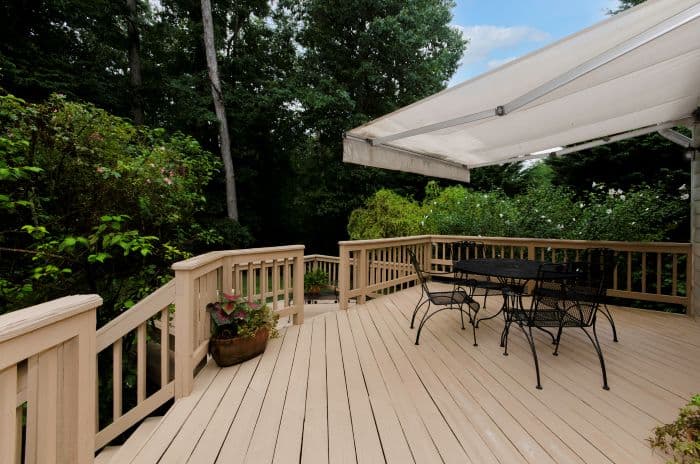
What Are the Best Types of Decking Materials for Homes?
Pressure-Treated Lumber
Pressure-treated (PT) wood is a common, budget-friendly choice. Though chemically treated to resist rot and insects, it requires regular sanding, sealing, and staining every one to three years to prevent warping and cracking, especially in harsh climates.
Composite Decking
Made from wood fibers and recycled plastic, composite decking mimics wood without the high upkeep. It resists fading, staining, and moisture. Brands like Trex offer warranties from 25 to 50 years, and these decks provide a strong return on investment.
PVC Decking
PVC decking contains no wood, making it highly resistant to moisture and mold. While it has a higher upfront cost, its durability and low maintenance make it a great long-term investment.
Tropical Hardwoods
Dense woods like Ipe and Red Balau are naturally resistant to rot, insects, and extreme weather. A well-maintained tropical hardwood deck can last 40 years or more with periodic cleaning and oiling.
Cedar and Redwood
These woods offer a classic aesthetic and are naturally resistant to decay and insects. They are more expensive than pressure-treated lumber and need regular maintenance to preserve their color and integrity in cold, wet climates.
Decking Durability: What Actually Holds Up in the Northeast?
In Vermont, western Massachusetts, and northern New Hampshire, decks endure freeze-thaw cycles that cause wood to expand and contract repeatedly. That movement creates cracks, loosens fasteners, and accelerates rot in untreated or poorly maintained materials.
Here is how each material stacks up for durability in the Northeast:
- Composite and PVC decking perform best in the long term. Their resistance to moisture, temperature swings, and UV exposure makes them especially suited to the region’s climate. Composite products from established brands are tested specifically for these conditions.
- Tropical hardwoods are exceptionally durable due to their density but require careful installation and periodic maintenance to reach their full lifespan.
- Pressure-treated lumber is durable when maintained, but its track record in harsh climates is mixed for homeowners who prefer a lower-maintenance approach.
- Cedar and redwood sit in the middle: durable enough for the Northeast with proper upkeep, but more vulnerable than composite or tropical hardwood options if maintenance is deferred.
Weather Resistant Decking: What the Northeast Climate Demands
The Northeast combination of heavy snow loads, spring rain, summer humidity, and UV radiation creates a uniquely demanding environment that requires weather resistant decking. Key performance factors to prioritize when specifying weather resistant decking include:
- Moisture resistance: Standing water and snowmelt are constant. Look for materials with sealed surfaces or inherent hydrophobic properties.
- Freeze-thaw stability: Materials that expand and contract significantly under temperature shifts will loosen fasteners and crack over time. Composite and PVC products are engineered to minimize this movement.
- UV resistance: Southern-facing decks in Vermont, Massachusetts and New Hampshire receive considerable sun exposure during long summer days. Capped composite and PVC products include UV-stabilized surface layers to resist color fading.
- Mold and mildew resistance: High humidity seasons make mold a real concern for any material with organic content. Capped composite and PVC decking are largely impervious to mold growth, while natural wood options require periodic treatment.
Modern Deck Design Trends Worth Knowing in 2026
Modern deck design trends have shifted meaningfully in recent years. Homeowners are no longer treating decks as simple platform extensions of the back door. They are designing outdoor living spaces that function as true rooms with defined zones, purposeful furniture arrangements, and cohesive aesthetics tied to the home’s interior style.
According to House Beautiful’s 2026 deck trend coverage, cool and earthy natural tones are dominating color choices. Grays, warm taupes, slate blues, and charcoal shades are popular across composite and PVC product lines, offering a modern and calming visual aesthetic that complements traditional New England home exteriors.
Key design trends shaping decks in 2026:
- Multi-zone layouts: Separate dining, lounging, and cooking areas to create a more functional outdoor space.
- Built-in features: Integrated seating, planters, lighting, and storage reduce clutter and improve usability.
- Lighting integration: LED lighting for post caps, risers, and railings extends usability and adds a professional finish.
- Picture framing and inlays: Contrasting borders and decorative inlays elevate the deck’s visual impact.
- Natural material accents: Stone, steel cable railings, and natural wood accents create visual contrast.
- Earthy, nature-inspired tones: Browns, grays, and weathered wood tones are popular choices for Northeast homeowners.
Planning Your Outdoor Renovation: Key Decisions Before You Build
A successful deck project starts well before the first board is laid. Planning for function, budget, materials, and code compliance up front avoids costly surprises and rework.
Define the Purpose of the Space
A deck designed primarily for outdoor dining calls for different dimensions, material choices, and lighting than one designed for a hot tub or a children’s play area. Clarifying the primary use early shapes every downstream decision.
Set a Realistic Budget
Deck costs vary significantly by size, materials, and complexity. According to data from Remodeling Cost vs. Value (2023), the average deck project in the East costs approximately $22,279. Setting a budget with a ten to 15 percent contingency built in allows room for material upgrades, unexpected site conditions, or permit-related requirements.
Understand Local Permit Requirements
In Vermont, Massachusetts, and New Hampshire, most structural decks require a building permit, and requirements vary by municipality. Trade professionals working with rk MILES clients in the region know local codes well, and working with an experienced contractor from the start keeps the project compliant and on schedule.
Choose Materials That Suit the Site
A shaded deck on the north side of a home faces different moisture and mold challenges than a south-facing deck in full sun. Site conditions should influence material selection directly, not just aesthetics or budget.
How a New Deck Adds Value to Your Property
The financial case for a deck addition is well established. According to the Remodeling Cost vs. Value Report (2023), a new wood deck delivers a national average ROI of 50.2%, while a composite deck returns an average of $9,325 in added property value against an average project cost of approximately $22,279.
For homeowners in the Northeast region, including Vermont, Massachusetts and New Hampshire, composite and wood decks deliver nearly identical ROI percentages, approximately 43.7% and 43.4%, respectively, according to TimberTech’s analysis of Cost vs. Value regional data. This is largely because Northeast climates are hard on wood, which makes composite’s lower maintenance requirements and longer lifespan particularly attractive to buyers evaluating the home.
Beyond the numbers, the National Association of REALTORS has found that a deck addition scores 9.8 out of 10 on their Joy Score, meaning homeowners who add a deck report high levels of personal satisfaction with the project, making it one of the few home improvements that delivers on both the lifestyle and financial return.
Deck Maintenance Tips to Protect Your Investment
Even the most durable decking materials benefit from regular care. Here is what maintenance looks like across the major material categories:
- Composite and PVC decking: Clean two to three times per year with soap, water, and a soft-bristle brush or a composite-safe cleaner. Avoid pressure washing at high settings, which can damage capped surfaces. Inspect fasteners and framing annually.
- Pressure-treated lumber: Sand and re-seal or re-stain every one to two years. Inspect for rot, splitting, and loose fasteners after each winter season. Replace damaged boards promptly to prevent structural spread.
- Tropical hardwood: Apply a penetrating hardwood oil once per year to maintain color and surface protection. Clean periodically with a hardwood deck cleaner and rinse thoroughly.
- Cedar and redwood: Clean annually and apply a water-repellent sealer or semi-transparent stain every two to three years. Check for cracking or checking in boards following winter freeze-thaw cycles.
For all deck types, clearing snow promptly with a plastic shovel (never a metal blade) prevents ice buildup and reduces freeze-thaw stress on the surface. Keeping gutters and downspouts directed away from the deck framing also reduces long-term moisture exposure to structural components.
Build It Right the First Time
A deck is one of the most visible, frequently used, and financially impactful improvements a homeowner can make. Choosing the right decking materials for homes in Vermont, western Massachusetts, and northern New Hampshire means understanding durability, weather resistance, maintenance requirements, and design potential together. Composite decking leads in low-maintenance performance. Tropical hardwoods deliver longevity and natural beauty. And modern deck design trends point clearly toward multi-functional outdoor spaces built with intention and care.
rk MILES has been a trusted building materials partner across the region since 1940, stocking the products and carrying the expertise to support homeowners and trade professionals from the first design conversation through project completion. Contact our team today to get started.
_______________________________________________________________________________________________