

Decking & Outdoor Renovation Guide: Materials and Design Tips That Add Value
Decking Materials and Design Tips That Add Value to Your Home
Choosing the right decking materials for homes in Vermont, western Massachusetts, and northern New Hampshire means balancing durability, weather resistance, and design. A well-built deck extends your living space, creates a gathering point for family and friends, and adds measurable value to your property.
In the Northeast, you need materials that withstand freeze-thaw cycles, heavy snow, and UV exposure. Composite and tropical hardwood decks perform best in these harsh climates, offering low maintenance and returning up to 44% of their cost in added property value.
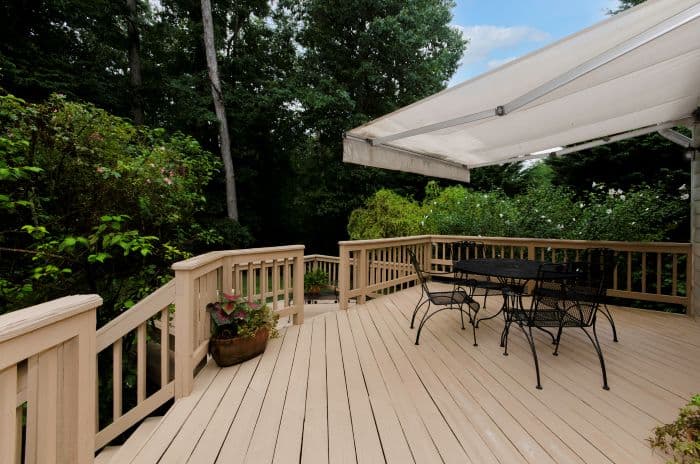
What Are the Best Types of Decking Materials for Homes?
Pressure-Treated Lumber
Pressure-treated (PT) wood is a common, budget-friendly choice. Though chemically treated to resist rot and insects, it requires regular sanding, sealing, and staining every one to three years to prevent warping and cracking, especially in harsh climates.
Composite Decking
Made from wood fibers and recycled plastic, composite decking mimics wood without the high upkeep. It resists fading, staining, and moisture. Brands like Trex offer warranties from 25 to 50 years, and these decks provide a strong return on investment.
PVC Decking
PVC decking contains no wood, making it highly resistant to moisture and mold. While it has a higher upfront cost, its durability and low maintenance make it a great long-term investment.
Tropical Hardwoods
Dense woods like Ipe and Red Balau are naturally resistant to rot, insects, and extreme weather. A well-maintained tropical hardwood deck can last 40 years or more with periodic cleaning and oiling.
Cedar and Redwood
These woods offer a classic aesthetic and are naturally resistant to decay and insects. They are more expensive than pressure-treated lumber and need regular maintenance to preserve their color and integrity in cold, wet climates.
Decking Durability: What Actually Holds Up in the Northeast?
In Vermont, western Massachusetts, and northern New Hampshire, decks endure freeze-thaw cycles that cause wood to expand and contract repeatedly. That movement creates cracks, loosens fasteners, and accelerates rot in untreated or poorly maintained materials.
Here is how each material stacks up for durability in the Northeast:
- Composite and PVC decking perform best in the long term. Their resistance to moisture, temperature swings, and UV exposure makes them especially suited to the region’s climate. Composite products from established brands are tested specifically for these conditions.
- Tropical hardwoods are exceptionally durable due to their density but require careful installation and periodic maintenance to reach their full lifespan.
- Pressure-treated lumber is durable when maintained, but its track record in harsh climates is mixed for homeowners who prefer a lower-maintenance approach.
- Cedar and redwood sit in the middle: durable enough for the Northeast with proper upkeep, but more vulnerable than composite or tropical hardwood options if maintenance is deferred.
Weather Resistant Decking: What the Northeast Climate Demands
The Northeast combination of heavy snow loads, spring rain, summer humidity, and UV radiation creates a uniquely demanding environment that requires weather resistant decking. Key performance factors to prioritize when specifying weather resistant decking include:
- Moisture resistance: Standing water and snowmelt are constant. Look for materials with sealed surfaces or inherent hydrophobic properties.
- Freeze-thaw stability: Materials that expand and contract significantly under temperature shifts will loosen fasteners and crack over time. Composite and PVC products are engineered to minimize this movement.
- UV resistance: Southern-facing decks in Vermont, Massachusetts and New Hampshire receive considerable sun exposure during long summer days. Capped composite and PVC products include UV-stabilized surface layers to resist color fading.
- Mold and mildew resistance: High humidity seasons make mold a real concern for any material with organic content. Capped composite and PVC decking are largely impervious to mold growth, while natural wood options require periodic treatment.
Modern Deck Design Trends Worth Knowing in 2026
Modern deck design trends have shifted meaningfully in recent years. Homeowners are no longer treating decks as simple platform extensions of the back door. They are designing outdoor living spaces that function as true rooms with defined zones, purposeful furniture arrangements, and cohesive aesthetics tied to the home’s interior style.
According to House Beautiful’s 2026 deck trend coverage, cool and earthy natural tones are dominating color choices. Grays, warm taupes, slate blues, and charcoal shades are popular across composite and PVC product lines, offering a modern and calming visual aesthetic that complements traditional New England home exteriors.
Key design trends shaping decks in 2026:
- Multi-zone layouts: Separate dining, lounging, and cooking areas to create a more functional outdoor space.
- Built-in features: Integrated seating, planters, lighting, and storage reduce clutter and improve usability.
- Lighting integration: LED lighting for post caps, risers, and railings extends usability and adds a professional finish.
- Picture framing and inlays: Contrasting borders and decorative inlays elevate the deck’s visual impact.
- Natural material accents: Stone, steel cable railings, and natural wood accents create visual contrast.
- Earthy, nature-inspired tones: Browns, grays, and weathered wood tones are popular choices for Northeast homeowners.
Planning Your Outdoor Renovation: Key Decisions Before You Build
A successful deck project starts well before the first board is laid. Planning for function, budget, materials, and code compliance up front avoids costly surprises and rework.
Define the Purpose of the Space
A deck designed primarily for outdoor dining calls for different dimensions, material choices, and lighting than one designed for a hot tub or a children’s play area. Clarifying the primary use early shapes every downstream decision.
Set a Realistic Budget
Deck costs vary significantly by size, materials, and complexity. According to data from Remodeling Cost vs. Value (2023), the average deck project in the East costs approximately $22,279. Setting a budget with a ten to 15 percent contingency built in allows room for material upgrades, unexpected site conditions, or permit-related requirements.
Understand Local Permit Requirements
In Vermont, Massachusetts, and New Hampshire, most structural decks require a building permit, and requirements vary by municipality. Trade professionals working with rk MILES clients in the region know local codes well, and working with an experienced contractor from the start keeps the project compliant and on schedule.
Choose Materials That Suit the Site
A shaded deck on the north side of a home faces different moisture and mold challenges than a south-facing deck in full sun. Site conditions should influence material selection directly, not just aesthetics or budget.
How a New Deck Adds Value to Your Property
The financial case for a deck addition is well established. According to the Remodeling Cost vs. Value Report (2023), a new wood deck delivers a national average ROI of 50.2%, while a composite deck returns an average of $9,325 in added property value against an average project cost of approximately $22,279.
For homeowners in the Northeast region, including Vermont, Massachusetts and New Hampshire, composite and wood decks deliver nearly identical ROI percentages, approximately 43.7% and 43.4%, respectively, according to TimberTech’s analysis of Cost vs. Value regional data. This is largely because Northeast climates are hard on wood, which makes composite’s lower maintenance requirements and longer lifespan particularly attractive to buyers evaluating the home.
Beyond the numbers, the National Association of REALTORS has found that a deck addition scores 9.8 out of 10 on their Joy Score, meaning homeowners who add a deck report high levels of personal satisfaction with the project, making it one of the few home improvements that delivers on both the lifestyle and financial return.
Deck Maintenance Tips to Protect Your Investment
Even the most durable decking materials benefit from regular care. Here is what maintenance looks like across the major material categories:
- Composite and PVC decking: Clean two to three times per year with soap, water, and a soft-bristle brush or a composite-safe cleaner. Avoid pressure washing at high settings, which can damage capped surfaces. Inspect fasteners and framing annually.
- Pressure-treated lumber: Sand and re-seal or re-stain every one to two years. Inspect for rot, splitting, and loose fasteners after each winter season. Replace damaged boards promptly to prevent structural spread.
- Tropical hardwood: Apply a penetrating hardwood oil once per year to maintain color and surface protection. Clean periodically with a hardwood deck cleaner and rinse thoroughly.
- Cedar and redwood: Clean annually and apply a water-repellent sealer or semi-transparent stain every two to three years. Check for cracking or checking in boards following winter freeze-thaw cycles.
For all deck types, clearing snow promptly with a plastic shovel (never a metal blade) prevents ice buildup and reduces freeze-thaw stress on the surface. Keeping gutters and downspouts directed away from the deck framing also reduces long-term moisture exposure to structural components.
Build It Right the First Time
A deck is one of the most visible, frequently used, and financially impactful improvements a homeowner can make. Choosing the right decking materials for homes in Vermont, western Massachusetts, and northern New Hampshire means understanding durability, weather resistance, maintenance requirements, and design potential together. Composite decking leads in low-maintenance performance. Tropical hardwoods deliver longevity and natural beauty. And modern deck design trends point clearly toward multi-functional outdoor spaces built with intention and care.
rk MILES has been a trusted building materials partner across the region since 1940, stocking the products and carrying the expertise to support homeowners and trade professionals from the first design conversation through project completion. Contact our team today to get started.
_______________________________________________________________________________________________
Professional Painting Tips: Maximizing Efficiency Without Sacrificing Quality
A fresh coat of paint can completely change a space. It’s one of the final steps in a project, but it’s also one of the details people notice first. Clean lines, even coverage, and a smooth finish can make a room feel polished, while rushed prep work can make the job seem a lot harder than it has to be. At rk MILES, we know every successful project starts with having the right materials and the right advice. Here are some professional painting tips to help you get the job done right.
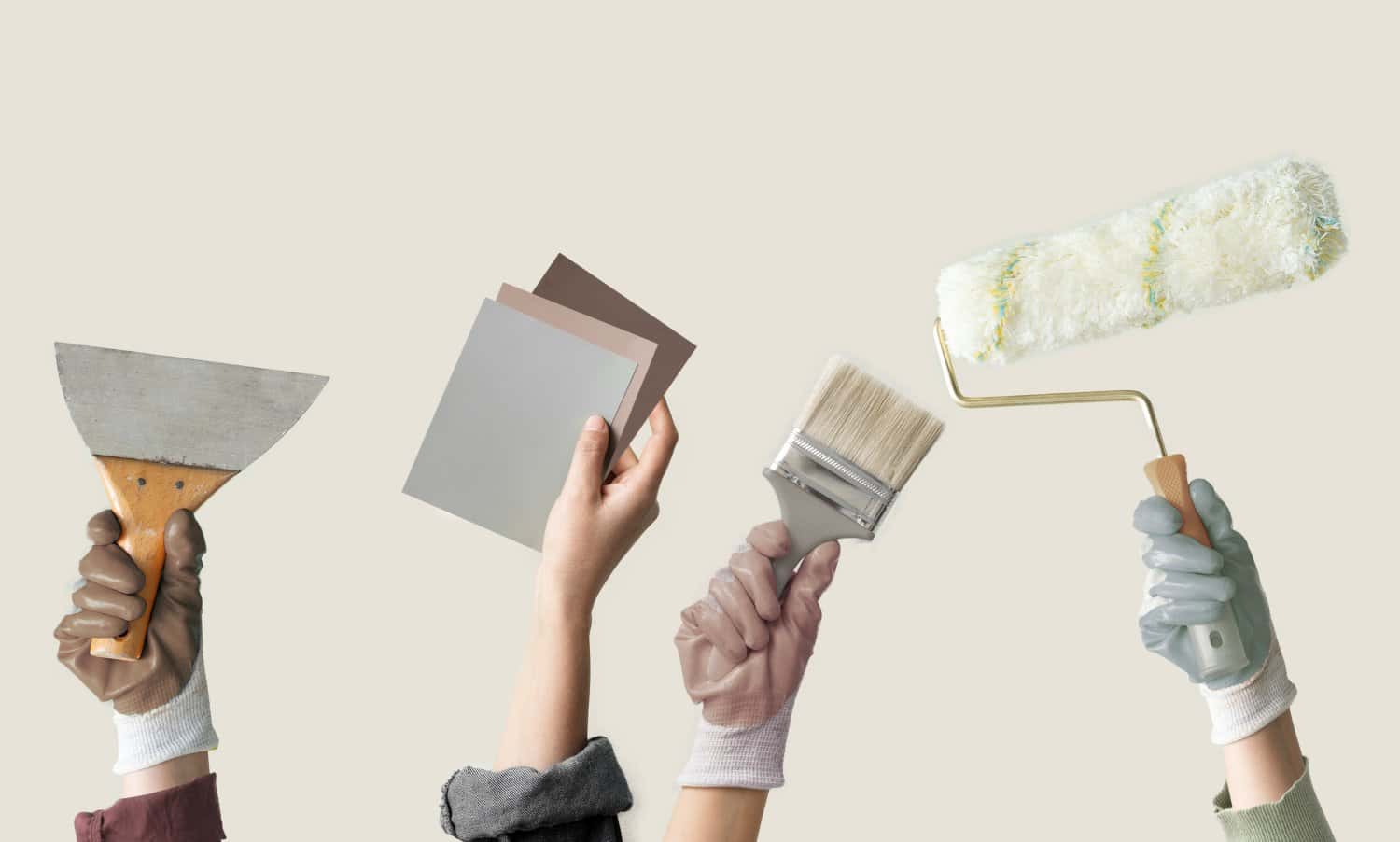
Why Is Painting Important in Project Finishing?
Paint is often considered the finishing touch, but it does a lot more than simply add color. For homeowners, it’s what brings the whole project together. For builders and contractors, it’s the final detail that can make all the hard work behind the walls, floors, and fixtures truly stand out. A quality paint job helps:
- Protect surfaces from everyday wear and tear
- Create a clean, finished appearance
- Highlight the details and craftsmanship of a space
- Give a room or exterior a completely refreshed look
Start With the Step Most People Want to Skip: Prep Work
The secret to a smooth paint finish usually happens before the first brush ever hits the wall. The more work you put in before painting, the easier the actual painting becomes. When your room is protected, and your walls are properly prepped, you can get straight to the part everyone actually enjoys: rolling on the paint! Before you begin, take time to:
- Clear and protect your space – Move furniture, cover floors, and protect trim, fixtures, outlets, around windows and door trim, and anything else you don’t want covered in paint. A fully protected work area means you aren’t stopping every few minutes to clean up a drip or worry about where your brush is going.
- Clean your surfaces – Dust, dirt, and buildup can prevent paint from applying smoothly. Even small particles can get trapped in your finish, leaving you with a surface that looks uneven instead of smooth.
- Repair imperfections – Fill nail holes, smooth cracks, and sand rough spots before you start. Once the paint goes on, those small flaws become much more noticeable.
- Prime– Primer helps create a consistent surface, improves coverage, and gives your paint a better foundation.
Slow Down at the Beginning to Move Faster Later
It might seem like spending extra time on prep slows you down, but it usually does the opposite. When walls are clean, smooth, and ready:
- Paint covers better
- You need fewer coats
- Mistakes are easier to avoid
- Cleanup is simpler
- The finished result looks more professional
Tools That Deliver Professional Results
Using the wrong equipment will slow you down and leave behind unsightly brush marks or lint lines. Professional painters maximize efficiency by matching high-quality tools to the specific demands of the project. Some must-haves for a quality paint job include:
- A good brush for edges, corners, and detail work
- A quality roller for smooth, even coverage
- An extension pole to make larger areas easier
- Painter’s tape for cleaner lines
- Sanding supplies for surface prep
- Drop cloths to keep your workspace protected
Safety Measures to Follow
Efficiency means nothing if a project is halted by a preventable injury. Maintain a safe and professional work site by enforcing these safety protocols:
- Ventilation – Ensure continuous fresh airflow in indoor spaces to disperse fumes from paints, primers, and solvents.
- Personal Protective Equipment (PPE) – Wear safety glasses to protect against splatters and a proper respirator mask when sanding old surfaces or spraying paint.
- Ladder Safety – Set extension and step ladders on stable, level ground, and never overextend your reach while painting.
Common Painting Mistakes to Avoid
To truly speed up your painting process, you must eliminate the mistakes that force you to stop and redo your work. Watch out for these frequent errors:
- Skipping prep work – Paint applied over dirt, dust, or damaged surfaces won’t perform the way it should.
- Overworking the paint – Brushing or rolling back over paint that has already begun to dry creates visible streaks and ruins the smooth texture.
- Ignoring the weather – Applying paint in extreme humidity or freezing cold severely disrupts the proper drying and curing process.
- Rushing between coats – Giving each coat enough time to dry helps prevent uneven coverage and unwanted texture.
- Applying too much paint at once – Thinner, even coats usually create a smoother finish than trying to cover everything in one heavy layer.
- Using low-quality tape – Standard masking tape can bleed or tear away fresh paint; stick to premium painter’s tape and remove it at a 45-degree angle while the paint is still slightly damp.
How to Ensure a High-Quality Finish
To achieve a beautiful finish, focus on your application technique. Load your brush or roller fully, but don’t over-apply, and maintain a “wet edge” by overlapping each new stroke with the previous one before it dries. This technique prevents visible overlap lines. Work methodically from the top down, starting with ceilings, moving to trim, and finishing with the walls, to smoothly catch and blend out any accidental drips along the way.
Make Your Next Painting Project Easier
Painting doesn’t have to be the hardest part of your project. When you prepare properly, use the right tools, and start with quality materials, the entire process becomes faster and more enjoyable. If you need help finding the right supplies for your next project, rk MILES is here to help. Since 1940, we have stood as a reliable partner for homeowners and trade professionals in the area. Let us help you build trust and deliver outstanding results on your next project. Contact us today to learn more.
_______________________________________________________________________________________________
From Blueprint to Finish: Selecting the Perfect Kitchen & Bath Materials for Client Satisfaction
From Concept to Completion: Selecting the Right Kitchen & Bath Materials
Transforming a kitchen or bathroom design from a concept design into a finished masterpiece requires a delicate balance of aesthetics, durability, and practicality. The material selection phase is where vision meets reality. Selecting the right components ensures that the final space is beautiful, but also highly functional.
As a trusted partner, rk MILES is dedicated to helping contractors, architects, and homeowners navigate the complexities of the perfect material selection. This guide will walk you through how to choose high-quality kitchen and bath materials that ensure long-term client satisfaction.
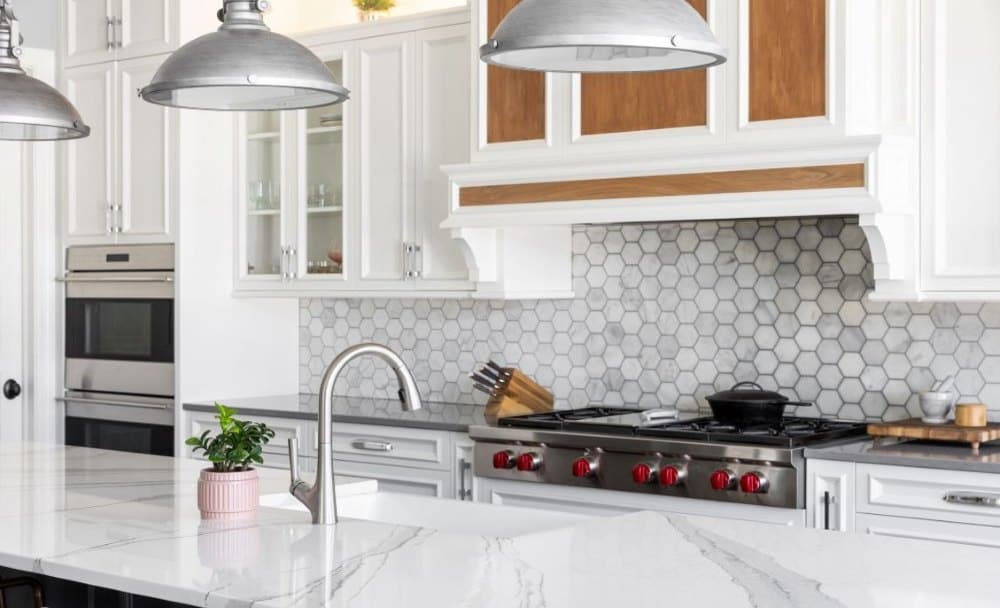
Why Is Material Selection Critical in Kitchens and Baths?
Kitchens and bathrooms are some of the hardest-working spaces in a home. They see daily cooking, cleaning, water, humidity, spills, and plenty of everyday wear and tear. A countertop that looks great but stains easily, flooring that cannot handle moisture, or cabinets that don’t hold up over time can quickly become frustrating for homeowners and can become costly callbacks for you, the contractor. The right interior material selection protects the homeowner’s investment and helps create spaces that are:
- Built to last
- Easier to maintain
- Better suited to the homeowner’s lifestyle
- Beautiful today and years from now
What Are the Best Countertop Options?
Countertops serve as both a visual focal point and a primary work surface. The ideal choice must balance scratch resistance, heat tolerance, and aesthetic appeal. Kitchen renovation materials we’d recommend include:
- Quartz – Engineered quartz is an industry favorite for both kitchens and baths. It is non-porous, highly resistant to staining, and requires no periodic sealing, making it incredibly low maintenance for busy homeowners.
- Granite – For clients seeking unique natural beauty, granite offers unmatched heat resistance and a timeless look. It does require occasional sealing to maintain its stain resistance.
- Solid Surface – Great for seamless integrations, solid surface materials allow for molded, integrated sinks that eliminate grime-catching lips in bathroom renovations.
- Marble – While beautiful, marble is porous and prone to etching. It is best reserved for low-traffic powder rooms or accent areas rather than heavy-use kitchen islands.
Which Cabinet Materials Work Best?
Cabinets form the architectural backbone of kitchen and bath layouts. The choice of core material and finish determines how well the cabinetry handles environmental stress. These work best:
- Solid Wood – Premium solid hardwoods (such as maple, oak, or cherry) offer timeless beauty and exceptional structural integrity. Plus, wood cabinets can be refinished over time, making them a durable investment.
- Plywood – A strong, reliable option often used for cabinet boxes because it holds up well and helps prevent issues like warping
- MDF (Medium-Density Fiberboard) – MDF is highly stable and does not expand or contract with seasonal weather. Its smooth surface makes it the premier choice for flawless paint finishes.
What Are the Best Flooring Materials?
Kitchen and bath floors must withstand heavy foot traffic, spilled liquids, and dropped objects without showing wear. Popular options include:
- Porcelain Tile – Porcelain is denser and less porous than ceramic tile, making it highly water-resistant. It is the premier choice for bathroom floors and custom tile showers.
- Engineered Hardwood – Engineered wood brings natural warmth to a kitchen. Its layered construction handles regional humidity shifts far better than solid wood flooring, though it should still be protected from standing water.
- Luxury Vinyl Plank (LVP) – A highly cost-effective, completely waterproof alternative that replicates the look of natural wood or stone, making it highly adaptable for mudrooms, kitchens, and basements.
Where Should Clients Invest vs. Cut Costs?
Maximizing a renovation budget requires strategic decision-making. Knowing where to invest ensures the space performs well, while identifying areas to save keeps the project on financial track. Here’s how we’d prioritize:
- Where to Invest
- Cabinetry Hardware & Drawer Glides – High-use moving parts wear out first. Heavy-duty, soft-close hardware prevents future structural failure.
- High-Traffic Surfaces – Do not skimp on primary countertops or bathroom floor tile. These surfaces face the most direct abuse.
- Plumbing Valves & Fixtures – Internal valves hidden behind walls should always be commercial-grade to prevent catastrophic water leaks.
- Where to Cut Costs
- Decorative Lighting – Light fixtures can easily be swapped out or upgraded in the future as styles change.
- Backsplash Tile – A simple, classic subway tile is highly affordable, functional, and timeless, freeing up budget for premium countertops.
- Hardware Aesthetics – While the internal mechanisms must be high quality, simple door pulls and knobs can offer a high-end look without a premium price tag.
How Do You Assess Client Needs Effectively?
An expert design balances a client’s lifestyle with technical reality. Before looking at samples, ask the following questions:
- Who uses the space? Homes with young children or pets require scratch-resistant flooring and stain-proof quartz countertops.
- How often do they cook? Passionate home chefs need expansive, heat-resistant prep surfaces and deep sinks.
- What is the long-term plan? If the client plans to sell within five years, focus on neutral, high-ROI materials. If it is a forever home, prioritize custom layouts and personalized finishes.
- What is the maintenance tolerance? Be honest with clients about upkeep. If they dislike regular maintenance, steer them away from natural stone and unlacquered brass.
Current Kitchen & Bath Trends
Modern interior material selection focuses on functional design materials that marry structural longevity with everyday utility. Some trends homeowners are loving include:
- Natural textures and materials
- Warm, timeless color palettes
- Durable surfaces that are easy to maintain
- Custom storage solutions
- Mixing materials for a layered look
Choose Materials that Last
From the initial blueprint to the final finishing trim, every material choice impacts the longevity of a kitchen or bath remodel. By understanding the performance metrics of countertops, cabinetry, and flooring, building professionals and homeowners can craft beautiful spaces built to last.
The experienced staff at rk MILES is here to help you source the highest quality kitchen and bath materials. We provide the expertise and reliable service you need. Contact us to speak with our product specialists and start selecting materials for your next successful project. rk MILES Kitchen & Bath Design Services only available at our Manchester and Barre VT locations as well as our Williamstown, MA location.
_______________________________________________________________________________________________
Upgrade Your Curb Appeal: Choosing the Right Doors & Windows for Style and Efficiency
Your home’s exterior says a lot before anyone steps inside. The doors and windows you choose set the tone, frame the view, and tell neighbors and guests exactly who lives there. They also do the quiet, hard work of keeping your home comfortable through every northeast season.
This guide walks you through how to upgrade your curb appeal with smart, lasting choices. You will learn how doors and windows shape exterior design, how different materials compare, why insulation matters, and how the right selections can lift your property value. If you are a homeowner planning a refresh or a trade professional spec’ing a project, you will find practical guidance here.
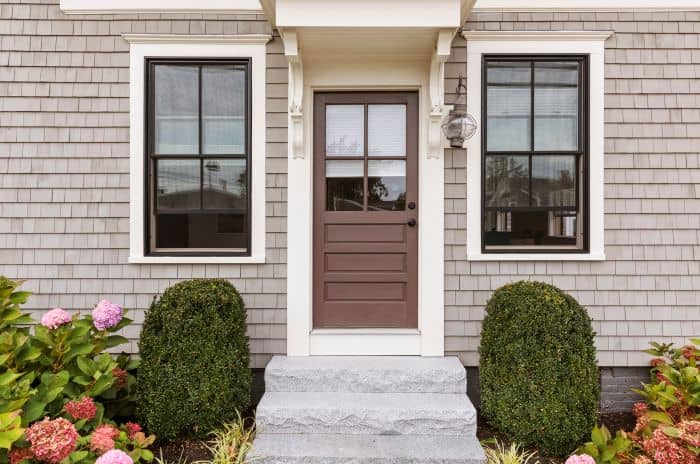
The Importance of Doors and Windows in Exterior Design
Doors and windows are the features people notice first. They draw the eye, balance the facade, and give your home its personality. A well-chosen front door becomes a focal point, while properly placed windows bring rhythm and light to the whole structure. Think of them as the jewelry of your exterior. The right pieces pull everything together. The wrong ones can make even a beautiful home feel dated or disjointed.
Design works best when style and function move in step. A door should look great and stand up to northern winters. Windows should frame your view of the Green Mountains or the Berkshires and keep cold drafts out. When both goals are met, you get a home that looks polished and performs well year after year.
A quick example: swapping a plain, builder-grade door for a paneled wood or fiberglass model with sidelights can completely change how a home reads from the street. Pair that with consistent window styling, and the upgrade feels intentional rather than patched together.
Door Material Comparison
Choosing a door starts with the material. Each option carries its own look, maintenance needs, and performance profile. This door material comparison breaks down the most common choices so you can match the right one to your home and climate.
Wood
Wood doors offer timeless beauty and a warmth that few materials can match. They suit historic homes and classic New England architecture especially well.
- Pros: Rich appearance, easy to customize, can be refinished
- Cons: Needs regular sealing or painting, can warp with moisture swings
Wood rewards attention. If you enjoy upkeep and want a premium look, it is hard to beat.
Fiberglass
Fiberglass has become a favorite for good reason. It can mimic the grain of real wood while resisting dents, cracks, and the freeze-thaw cycles common across the northeast.
- Pros: Low maintenance, strong insulation, holds up in harsh weather
- Cons: Higher upfront cost than some options
For homeowners who want the wood look without the constant care, fiberglass is a smart middle ground.
Steel
Steel doors deliver strength and security at a friendly price point. They resist warping and provide solid energy performance when built with an insulated core.
- Pros: Durable, secure, budget-friendly
- Cons: Can dent, and finishes may show wear over time
Steel is a practical pick for side and rear entries, or for any project where security and value lead the decision.
Modern Exterior Doors
Today’s modern exterior doors do far more than they used to. They blend bold design with serious engineering, giving you better looks and better performance in one package. Clean lines, larger glass panels, and contemporary hardware define the current look. Many homeowners across New England are choosing flush panels, horizontal grain patterns, and statement colors to give their entries a fresh, current feel.
Performance has kept pace with style. Modern exterior doors often feature:
- Insulated cores that cut energy loss
- Multi-point locking systems for added security
- Weather-tight seals built for cold-climate durability
- Low-maintenance finishes that hold their color
A common question we hear is, “Will a modern door look out of place on a traditional home?” Not necessarily. Many manufacturers offer transitional styles that bridge classic and contemporary, so you can modernize without clashing with your home’s roots.
Window Insulation Benefits
Windows do quiet work all year, and good insulation is where they earn their keep. Understanding window insulation benefits helps you make a choice that pays off month after month. In our region, winters are long and summers can swing warm. Well-insulated windows hold steady through both. Here is what you gain:
- Lower energy bills. Insulated windows reduce heat loss in winter and heat gain in summer, easing the load on your HVAC system.
- Greater comfort. Fewer drafts and cold spots mean rooms stay cozy near the glass.
- Quieter interiors. Quality insulation dampens outside noise, a welcome perk near busy roads.
- Less condensation. Better thermal performance helps keep moisture and frost off your panes.
The features that drive these results include double or triple glazing, low-emissivity (low-E) coatings, and inert gas fills like argon between panes. Together, they slow the transfer of heat and keep your home steadier.
Picture a January evening in Vermont. With high-performance windows, you can sit near the glass without feeling the chill seep in. That comfort, multiplied across every window in the house, is the real payoff.
Choosing the Right Doors and Windows
With the options on the table, how do you actually decide? Choosing the right doors and windows comes down to balancing four things: style, performance, budget, and your home’s character.
Use this checklist to guide the process:
- Match your architecture. Pick styles and finishes that complement your home’s era and lines.
- Prioritize climate performance. Look for strong insulation ratings suited to Vermont, West Massachusetts, and Northern New Hampshire weather.
- Set a realistic budget. Factor in both upfront cost and long-term savings from energy efficiency.
- Think about maintenance. Be honest about how much upkeep you want to take on.
- Plan for cohesion. Coordinate doors and windows to create a unified exterior.
A few common mistakes to avoid:
- Choosing based on looks alone and ignoring energy ratings
- Mixing too many styles, which can make a facade feel busy
- Overlooking proper installation, which can undo even the best products
That last point matters. Even premium doors and windows underperform when installed poorly. Working with knowledgeable suppliers and skilled installers protects your investment. As your community partner, rk MILES helps homeowners and trade professionals weigh these factors and find the right fit. We are a reliable, responsive, informed, and caring supplier, and we are here to make your decision easier.
Boosting Property Value
Upgrading your doors and windows is one of the most dependable ways to raise your home’s value and appeal. Buyers notice curb appeal immediately. A striking front entry and clean, efficient windows signal a home that has been cared for. That first impression can shape the entire showing. The value shows up in several ways:
- Higher resale appeal. Updated exteriors attract more interest and stronger offers.
- Energy savings as a selling point. Efficient windows and doors lower operating costs, which buyers value.
- Lasting durability. Quality materials reduce future repair worries, a real plus for any buyer.
For trade professionals, this translates into projects that stand out in a competitive market. Spec’ing attractive, efficient doors and windows helps your builds command attention and justify their price.
Contact Our Team
Your doors and windows shape how your home looks, feels, and performs. With a thoughtful door material comparison, a look at modern exterior doors, and a clear grasp of window insulation benefits, you are ready to make choices that boost both style and efficiency.
Here are your next steps:
- Assess your current exterior and note what feels dated or drafty.
- Shortlist materials and styles that match your home and climate.
- Talk to a trusted supplier about performance ratings and installation.
At rk MILES, we are proud to serve homeowners and trade professionals across Vermont, Western Massachusetts, and Northern New Hampshire as a true community partner. Let us help you find the doors and windows that elevate your curb appeal and stand the test of time. Contact us to start your project today.
_______________________________________________________________________________________________
Top 10 Time-Saving Tools Every Contractor Needs on Job Sites
10 Time-Saving Tools Every Contractor Needs on Job Sites
When you’re on a job site, every minute matters, between managing timelines, coordinating crews, working through unexpected challenges, and keeping customers happy, contractors have enough to think about without wasting time fighting with tools that don’t perform. Dependable construction tools for contractors can help you work faster, make fewer mistakes, and spend more time focused on delivering quality work. At rk MILES, we know contractors rely on their tools every day. Having access to quality products, knowledgeable support, and materials you can trust makes a difference.

Why Is Investing in Time-Saving Tools Important?
Investing in the right tools is an important construction productivity hack. Time is one of the most valuable resources on a jobsite. You never want to have the reputation of the contractor that cuts corners, or the one who never gets projects done on time. The right construction tools for contractors can make a huge difference. Here’s how:
- They help contractors finish jobs faster – A tool that cuts a task from 30 minutes to 5 minutes might seem like a small improvement, but those minutes add up across an entire project. Faster installation, cutting, measuring, and adjustments allow crews to complete more work in less time.
- They allow contractors to focus on craftsmanship. When a contractor isn’t spending unnecessary time fighting with equipment or fixing avoidable mistakes, they can focus on details that improve the final result.
- They reduce labor costs – Labor is often one of the biggest expenses on a project. When contractors can complete tasks more efficiently, they spend fewer hours on each job, which helps keep projects on budget without sacrificing quality.
- They improve accuracy and reduce mistakes – Time-saving tools often also improve precision. A laser level, digital measuring tool, or quality saw can help prevent costly errors like uneven installs, incorrect cuts, or material waste. One mistake can cost more time than the tool itself.
- They reduce physical strain and fatigue – Construction is demanding work. Tools that make repetitive tasks easier can reduce wear and tear on contractors and their crews, helping them work more comfortably and safely throughout the day.
- They make businesses more competitive – Contractors who invest in better equipment can often provide faster project timelines, more accurate estimates, better customer experiences, and higher-quality results. That can mean more referrals and repeat business.
The Top 10 Time-Saving Tools
We’d put the focus on tools that save time, improve accuracy, and hold up over the years. The “best” list depends on the trade, but there are a few that consistently earn their place in a contractor’s truck. Tools every contractor should own:
1. Cordless Drill/Driver + Impact Driver
This is the everyday workhorse. From framing to cabinetry to installing hardware, contractors use it constantly. A quality cordless system also means batteries work across multiple tools, saving money and time.
2. Circular Saw
A good circular saw makes quick, accurate cuts through lumber, plywood, and other materials. It’s one of those tools that gets used on almost every project.
3. Tape Measure
Small tool, huge impact. Accurate measurements prevent costly mistakes, wasted materials, and rework.
4. Laser Level
Laser levels have become a gamechanger. They make layout work faster and more precise, especially for cabinets, tile, framing, finish work, doors, and windows.
5. Oscillating Multi-Tool
This is the “problem solver.” It can cut, sand, scrape, and reach places other tools can’t.
6. Quality Hand Tool Set
Even with power tools, contractors rely on basics every day. A good set includes:
- Hammer
- Utility knife
- Screwdrivers
- Pliers
- Adjustable wrench
- Chisels
7. Level (Torpedo + Long Level)
A laser is great, but a traditional level is still essential for quick checks and smaller tasks.
8. Stud Finder + Inspection Tools
Why it matters: Avoiding mistakes before drilling, cutting, or installing saves time and prevents damage. Helpful additions:
- Stud finder
- Inspection camera
- Moisture meter
9. Portable Work Light
Good visibility improves accuracy and safety. Contractors often work in unfinished spaces, basements, attics, and areas without permanent lighting.
10. Storage and Organization Systems
Time spent searching for tools is time lost. Job site storage solutions, tool bags, and organized systems keep equipment accessible and reduce downtime. A well-organized contractor is a more efficient contractor.
What Features Should Contractors Look for in Tools?
Investing in high-quality tools is similar to choosing quality building materials. In an industry where deadlines matter, knowing how to save time on construction sites often comes down to having dependable equipment ready when you need it. When choosing tools, look for:
- Durability – Job sites can be tough on equipment. Quality tools should withstand frequent use, transportation, dust, and changing conditions.
- Reliability – A tool should perform consistently from the first use to the last. Downtime caused by equipment failure can quickly slow down a project.
- Accuracy – Precision matters, especially for detailed work like installations, trim, doors, windows, and finish projects.
- Efficiency-focused features – Quick adjustments, cordless options, multi-use capabilities, and easy setup can help crews work faster.
- Comfort and ergonomics – Tools designed for long-term use can help reduce fatigue during extended workdays.
Are Digital Tools and Apps Essential Today?
Technology has become an important part of modern construction. While traditional tools remain essential, digital solutions help contractors manage projects more efficiently.
Work Smarter with rk MILES.
The right construction tools for contractors can make every job site more efficient. At rk MILES, we’re committed to being a reliable, knowledgeable partner for contractors, builders, and professionals. With quality products and dependable service, we help customers find solutions that support their work every day. Contact us today to learn more.
_______________________________________________________________________________________________
From Framing to Finish: How Quality Lumber Impacts Your Home’s Longevity
Every great home starts with a single board. Long before the paint dries or the final fixtures go in, the choices made during framing set the stage for how well a house will hold up over the decades. For homeowners and trade professionals across Vermont, western Massachusetts, and northern New Hampshire, those choices matter even more. Our region sees heavy snow, extreme temperature swings, and plenty of moisture, and your home has to stand up to all of it.
At rk MILES, we have spent decades helping our neighbors build homes that last. We know that quality lumber is not just a line item on an estimate. It is the foundation of comfort, safety, and value for years to come. Let’s walk through how the wood you choose shapes the lifespan of a home, from the first stud to the finishing trim.
Role of Home Construction Materials
The materials you select touch every part of a build. Home construction materials do more than hold a structure together. They influence energy efficiency, indoor comfort, resale value, and the amount of upkeep a home will need down the road.
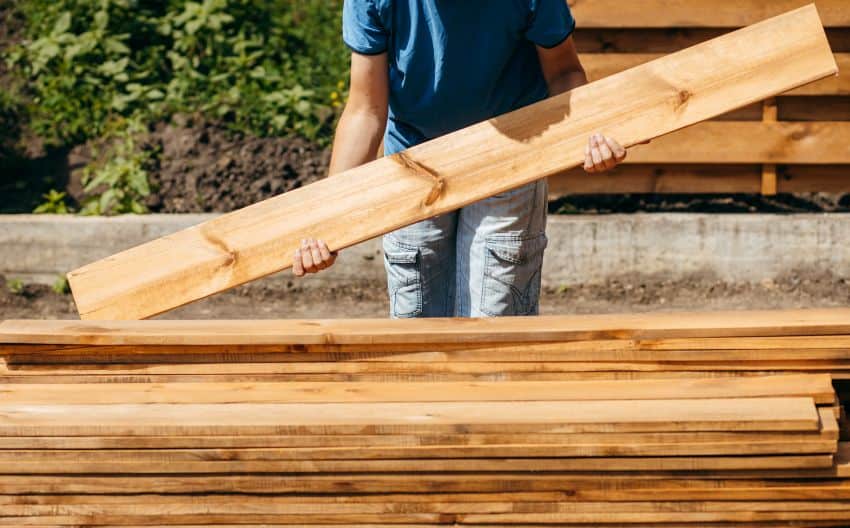
Lumber sits at the heart of it all. Framing lumber forms the skeleton. Sheathing adds rigidity. Trim and millwork bring the finished look that makes a house feel like home. When each of these pieces is made from high-quality wood, they work together to create a building that performs as it should.
For builders and architects, picking the right materials early helps avoid costly surprises later. For homeowners, it means peace of mind. The wood behind your walls is working hard every single day, even if you never see it.
Structural Integrity of Homes
The structural integrity of homes depends on lumber that can handle real-world stress. Floors carry furniture and foot traffic. Walls resist wind. Roofs hold the weight of heavy we get here in the Northeast. If the framing lumber is weak, warped, or poorly graded, those loads can cause sagging, cracking, and shifting over time.
Properly graded lumber is sorted by strength and quality, which gives builders confidence that each board will perform as expected. Straight, well-dried framing members stay put. They keep walls plumb and floors level for the life of the home. This is where working with an informed supplier pays off. The right lumber for a load-bearing beam is different from the right lumber for interior partitions. Matching the material to the job keeps a structure sound and safe, season after season.
Durable Building Materials
Durable building materials are the difference between a home that ages gracefully and one that needs constant repair. In our climate, durability is not a luxury. Moisture, freeze-thaw cycles, and pests all test a building’s defenses.
Quality lumber resists these threats better. Properly kiln-dried wood holds its shape and is less likely to warp or split. Pressure-treated lumber withstands ground contact and damp conditions, making it ideal for decks, sills, and other outdoor projects. Naturally rot-resistant species add another layer of protection where exposure is a concern.
At rk MILES, we stock products tailored to our region’s needs. We focus on materials that hold up to northern winters and humid summers, so your investment keeps performing long after the build is complete. When the bones of a home are durable, everything built on top of them lasts longer, too.
Common Mistakes When Choosing Lumber
Even experienced builders can run into trouble, and one of the most common mistakes when choosing lumber is focusing on price alone. The cheapest board is rarely the best value. Lower-grade wood may contain more knots, splits, or moisture, all of which lead to problems once it is in place.
Here are a few pitfalls worth avoiding:
- Skipping moisture checks. Wood that is too wet will shrink and twist as it dries, pulling fasteners loose and causing gaps.
- Using the wrong grade for the job. Structural members need higher-grade lumber than non-load-bearing applications.
- Ignoring proper storage. Lumber left exposed to rain or sitting on damp ground can absorb moisture before it is ever used.
- Overlooking species suitability. Some woods perform far better outdoors or in high-moisture areas than others.
- Buying without expert guidance. A quick conversation with a knowledgeable supplier can save real money and frustration.
Avoiding these missteps starts with asking questions and working alongside a team that knows the local conditions. We are always happy to help our customers get it right the first time.
Lumber Construction Best Practices
Good lumber construction comes down to respecting the material and planning ahead. Even the finest wood needs to be handled, stored, and installed correctly to reach its full potential.
Start by storing lumber off the ground and under cover, with good airflow around the stack. Let the framing material acclimate to the job site before installation so it adjusts to local humidity. During the build, use the correct fasteners and spacing, and follow load-span guidelines for beams and joists.
Pay close attention to moisture management throughout the process. Flashing, proper ventilation, and smart detailing keep water away from wood that needs to stay dry. For exterior projects, seal and finish exposed surfaces to slow weathering and extend the wood’s lifespan.
These steps are simple, but they make a lasting difference. A well-built frame that follows these practices will serve a home for generations.
Long-Term Benefits
The payoff for choosing quality lumber shows up year after year. A home built with strong, well-selected wood needs fewer repairs, which saves money and stress over the long haul. It also holds its value better, an important factor for homeowners and developers alike.
Beyond the dollars, there is comfort. A solid frame resists drafts, stays quiet underfoot, and keeps doors and windows operating smoothly. Wood also brings natural insulating qualities that support energy efficiency, helping to keep heating and cooling costs in check during our long heating season.
There is an environmental upside, too. Wood is a renewable resource, and a home that lasts longer means fewer materials used over its lifetime. Building well the first time is one of the most sustainable choices you can make.
For trade professionals, these benefits translate into satisfied clients and a reputation for quality. For homeowners, they mean a place that feels solid and dependable for decades.
About Us
At rk MILES, our legacy is built on a foundation that stretches back over five generations to the 1880s, when Frederick Miles first began timber operations in Arlington, Vermont. Today, as a fourth-generation, family-owned company, we remain deeply rooted in our history while evolving to meet the modern needs of the building industry. Our mission is centered on being the most reliable, responsive, informed, and caring supplier of building materials and services in the region. From our early days as a water-powered sawmill to our current expansion into ten locations across Vermont, Massachusetts, and New Hampshire, including our latest wall panel manufacturing facility, we have remained dedicated to our vision of supporting enthusiastic employees and satisfied customers. We understand that our role extends beyond commerce; we are a community partner committed to providing “everything to build anything” while valuing the long-term relationships that make our business possible.
Contact Our Team
From the first framing member to the final piece of trim, quality lumber shapes how long a home will stand strong. It supports the structure, resists the elements, and protects the comfort and value of everything inside. Getting those choices right is easier with a partner who understands both the product and the place you are building.
As a community partner serving Vermont, western Massachusetts, and northern New Hampshire, rk MILES is here to be reliable, responsive, informed, and caring at every stage of your project. We supply the building materials, products, and services that help your home go the distance, and we back them with the local knowledge that makes all the difference. Reach out to our team today and let’s bring your project to life.
How to Choose Your Doors & Windows: Budget, Aesthetics and Efficiency
Choosing the Right Windows and Doors for Your Home
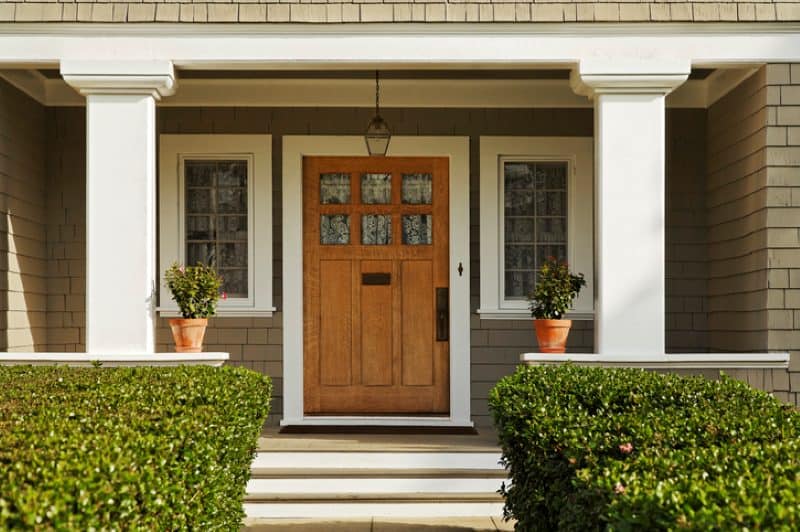
Replacing your doors and windows is one of the very few home improvements that completely changes how your house looks from the outside, and how it feels on the inside. Suddenly, dark rooms get flooded with sunlight, and chilly drafts disappear.
But let’s be honest, you probably only do this once or twice in a lifetime. Walking into a showroom or browsing options online can feel a bit overwhelming. There are endless styles, technical terms, and price tags to wrap your head around. At rk MILES, we have been helping builders, contractors, and homeowners find the right building materials since 1940. We like to make things easy. One way we do this is by breaking your decision about doors and windows down into three simple categories: budget, style, and efficiency. If you focus on these three things, you will find the perfect match for your home.
What Should Homeowners Think About When Choosing Doors and Windows?
The best selections come from understanding what matters to you the most before you make a decision, so you can be sure your choice aligns with your needs. A beautiful set of windows may be the perfect fit for one project, while another homeowner may prioritize energy efficiency or easy maintenance. Some of the biggest factors to think about first include:
- Budget
- Home style and design goals
- Energy efficiency
- Durability
Set a Realistic Budget and Define Project Priorities
Buying doors and windows is a major financial investment. While it can be tempting to choose the lowest price tag to save money upfront, cheap materials usually cost more over time in high energy bills, drafts, and early replacements. Instead:
- Think about long-term value – Quality windows and doors keep their shape, seal out the weather, and save you from paying for frustrating repairs later.
- Splurge where you see it most – If you want to make a statement, put a little extra money toward a stunning modern door design for your front entry. It is the first thing people see.
- Save where it makes sense – You can save a bit of money by choosing fixed windows (ones that don’t open) for areas where you don’t need airflow, like high up on a wall or next to a patio door.
Finding Your Home’s Perfect Look
Your doors and windows dictate your home’s personality and curb appeal. Also, some materials are naturally more high maintenance than others, and you’ll want to consider that when choosing your final design. The goal is to choose designs that complement your architecture while reflecting your personal style. Here’s how:
- Respect your home’s architecture – Whether you are fixing up a classic Northeast farmhouse or updating a clean, modern space, you want your new windows and door profiles to look like they truly belong there.
- Timeless trends we love – Right now, a lot of homeowners are leaning into beautiful natural wood finishes, warm white oak accents, huge glass panels, and simple, minimalist hardware.
- Choosing the right material – Real wood offers an unmatched, classic beauty that is hard to beat. But if you want something lower maintenance that still gives you the gorgeous look and strength of real wood, high-quality fiberglass is a fantastic alternative.
Demystifying Energy Efficiency
While energy ratings and product features can feel technical, energy efficiency really comes down to two simple things: keeping your family comfortable year-round and keeping your hard-earned money from flying out the window. Keep in mind:
- Built for our local weather – Our local climate puts homes through the ringer with freezing winters and sticky, humid summers. Multi-pane glass and special insulative coatings help keep your indoor temperature exactly where you want it.
- Say goodbye to drafts – High-efficiency windows and doors stop those annoying cold spots, meaning your heating and cooling systems don’t have to work overtime.
- Hire a pro for installation – Even the best window on earth will leak air if it isn’t put in perfectly. Make sure to partner with a skilled contractor who takes their time with proper flashing and sealing.
What to Look for on the Label
When shopping for energy-efficient doors and windows, check the National Fenestration Rating Council (NFRC) label for these key metrics:
- Low U-Factor – Measures how well a window keeps heat inside. Look for a lower number (ideally under 0.27) to fight freezing winters.
- Solar Heat Gain Coefficient (SHGC) – Measures how much summer sun heat gets through. A lower number blocks more heat.
- ENERGY STAR® Certification – Look for the blue sticker rated specifically for the Northern or North-Central climate zone.
- Low-E Glass Coatings – Microscopic metallic layers that reflect winter heat back inside and summer heat back outside.
- Argon or Krypton Gas Fills – Insulating gases sealed between glass panes that block thermal transfer much better than regular air.
Quick Questions to Ask Yourself Before You Shop
Before you sit down with your contractor or pop into a showroom, take a few minutes to think through these quick questions:
- How much natural light do I actually want in this specific room?
- Am I okay with routine maintenance (like painting wood), or do I want something I never have to worry about?
- Are there beautiful views I want to frame, or do I need to think about privacy from neighbors?
- What is my absolute top priority for this project? (Is it maximum energy savings, a very specific design look, or staying under a strict spending limit?)
Building Trust. Delivering Results.
Since 1940, the team at rk MILES has been helping neighbors, builders, and contractors bring dream homes to life. We are here to offer friendly advice on the best doors and windows for your home and the personalized service you need to handle your home project with total confidence. Contact us today and let our team help you find exactly what you need.
Custom Millwork Trends in 2026: Elevating Craftsmanship in Modern Construction
Millwork Design Trends for 2026
Walk through a newly built home today, and you’ll notice something interesting. The homes that leave the biggest impression often aren’t the ones with the most expensive furniture or the trendiest finishes. They’re the homes with thoughtful details built right into the architecture.
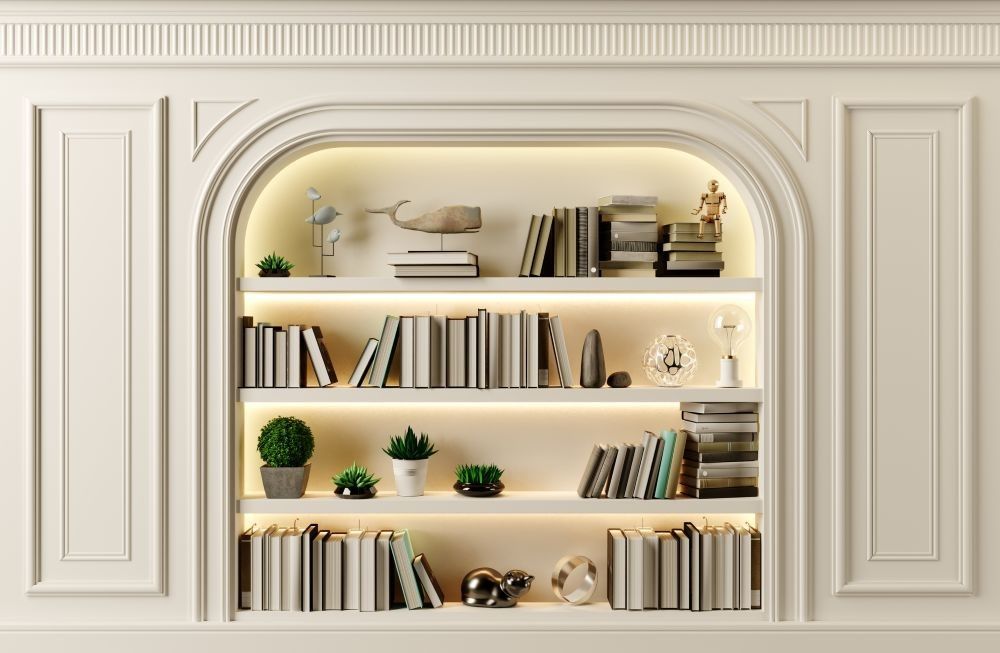
From floor-to-ceiling bookshelves and custom mudrooms to detailed wall paneling and statement ceilings, custom millwork is becoming one of the most sought-after features in modern homes. As homeowners look for ways to add personality, warmth, and function to their spaces, builders and designers are turning to millwork to create homes that feel anything but cookie-cutter.
So what’s behind the growing demand for custom millwork, and what millwork design trends in 2026 are shaping today’s projects? Keep reading to find out.
What Is Custom Millwork?
Custom millwork is often made-to-order woodwork or architectural wood detailing created specifically for a space. Sometimes, though, standard, pre-made pieces can be combined to create the look of custom millwork. These details are often what gives the house that “finished,” high-end feel. Millwork includes things like a perfectly fitted mudroom wall, a library with built-ins, a paneled study, or cabinetry that looks like it was always part of the architecture rather than added later.
Why Is Custom Millwork Gaining Popularity?
Homeowners are craving more character.
With a rise of new builds, people are noticing that these homes can lack the character older homes naturally have. A lot of newer construction features large open rooms, extensive drywall, simple trim packages, and fewer architectural details. While older homes came with plaster walls, detailed trims, built-ins, fireplaces, wood doors, and decorative molding. Homeowners are adding millwork to bring back that “this home has history” feeling. But, more than just aesthetics, people are adding millwork to make their spaces more functional. It’s easy to see why custom millwork continues to gain momentum. There are simply so many benefits of custom millwork:
- More Character – Millwork adds architectural detail that helps a home feel unique and thoughtfully designed.
- Better Functionality – Built-in solutions make better use of available space and help keep everyday life organized.
- Long-Term Value – Quality craftsmanship never goes out of style. Custom millwork can add lasting appeal for both current homeowners and future buyers.
- Greater Design Flexibility – Because millwork is built specifically for the project, it can be tailored to fit nearly any style, layout, or design goal.
The Top Millwork Design Trends in 2026
For years, homes relied on furniture and decor to create personality. In 2026, homeowners are increasingly using millwork to build character directly into the house itself. That’s why the demand for custom millwork is trending. It’s part of a broader movement toward homes that feel more permanent, personalized, and timeless. Here are the trends we’re seeing:
Wall paneling is everywhere
Not the farmhouse shiplap trend of 2018. Custom woodwork for homes is incorporating more:
- Traditional picture-frame molding
- Full height wall paneling
- Reeded and fluted panels
- Modern slat walls
- Floor-to-ceiling wood paneling
Built-ins that look like they were always part of the house
Custom built-ins remain one of the most requested millwork features. Homeowners are looking for ways to reduce clutter while maintaining a clean look. The trend is toward:
- Library walls
- Window seats
- Mudroom systems
- Integrated office cabinetry
- Built-in dining banquettes
Richer wood tones are replacing the all-white look
After years of white oak and painted white everything, warmth is replacing sterility. Homeowners are embracing:
- Walnut
- Medium oak
- Warm stained woods
- Darker paneling
Millwork is becoming more functional.
This is a huge one. People don’t just want pretty millwork. They want millwork that solves problems. Examples:
- Hidden storage
- Charging stations
- Built-in desks
- Appliance garages
- Concealed technology
Curves and arches
For years, everything was square and modern. Now we’re seeing:
- Arched openings
- Curved built-ins
- Radius corners
- Rounded cabinetry details
Bigger, more intentional trim
One of the easiest ways to spot a custom home in 2026: The trim package. Designers are using:
- Taller baseboards
- Thicker casings
- Layered crown molding
- Consistent trim throughout the home
Ceiling Details
Ceilings are no longer being overlooked. Builders and designers are incorporating custom millwork above eye level to create visual interest throughout the home. Trending features include:
- Coffered ceilings
- Exposed wood beams
- Tongue-and-groove ceiling treatments
- Decorative ceiling trim
Where Is Custom Millwork Commonly Used?
Almost anywhere. While kitchens and living rooms remain popular spaces for custom millwork, homeowners are finding opportunities throughout the home. Some of the most common applications include:
- Entryways
- Mudrooms
- Home offices
- Dining rooms
- Family rooms
- Primary bedrooms
- Closets
- Stairways
- Finished basements
What Challenges Should Contractors Expect?
Like any custom feature, millwork requires planning. Contractors should account for:
- Longer lead times for custom fabrication
- Material availability and sourcing
- Precise measurements and installation requirements
- Coordination with other trades throughout the project
Quality Materials Make All the Difference
No matter how beautiful a millwork design may be, the finished result is only as good as the materials behind it, and the best millwork doesn’t just look good on day one. It should stand the test of time. Whether you’re adding built-ins, custom trim, or decorative wall treatments, quality materials are the foundation of a beautiful, finished product. At rk MILES, we’re proud to help homeowners and building professionals source premium wood and millwork materials needed to create their own take on millwork design trends in 2026. Contact us today to bring your vision to life!
_______________________________________________________________________________________________
Choosing Durable Lumber & Composite Materials for Long-Lasting Residential Exteriors
Choosing Durable Exterior Building Materials
The best exterior products are the ones that look good and continue to perform years later. For contractors and builders, every material choice matters. The lumber, siding, decking, and exterior products you install today are what homeowners will live with tomorrow. Choosing dependable materials helps protect your reputation and create homes built to last with little to no issues. At rk MILES, we help building professionals find quality exterior building materials that are made to balance appearance and durability.
Why Is Material Durability Important for Residential Exteriors?
Most exterior building materials are designed to meet minimum building code requirements, but meeting code and being truly durable are not the same thing. Sure, they may be durable enough to work, but the question is how well they’ll perform, how much maintenance they’ll require, and how long they’ll last before major repairs or replacement become necessary. For example, two siding products might both be approved for residential construction, but one may last 5-10 years before showing significant wear, and another may last 30-50 years with minimal maintenance. The difference often comes down to how the material performs under real-world conditions, such as:
- Moisture exposure
- Freeze-thaw cycles
- UV exposure
- Impact from hail, lawn equipment, or debris
- Insect activity
- Temperature fluctuations
What Types of Lumber Are Best for Outdoor Use?
When selecting long-lasting wood for exterior use, it’s important to consider how the material will handle moisture, temperature changes, and exposure to the elements. These are the most common choices:
Pressure Treated Lumber
Pressure-treated lumber is a common choice for outdoor construction because it has been treated with preservatives that help protect against rot, decay, and insects. It is often used for:
- Deck framing
- Outdoor structures
- Fencing
- Structural applications
- Ground-contact projects
Specialty Treated Wood Options
For projects requiring the authentic look and feel of real wood but needing extra protection against the elements, advanced treatment technologies offer excellent alternatives to traditional lumber.
- Thermally Modified Lumber – Products like ICON® by Timber Trading Group use a precise, chemical-free process involving only heat and pressure. This treatment reduces moisture and organic sugars at a cellular level, changing the wood’s structure to deliver Class 1 durability against rot, decay, and insects. It is exceptionally lightweight and offers outstanding dimensional stability with minimal warping or cupping, making it perfect for premium siding, trim, and decking.
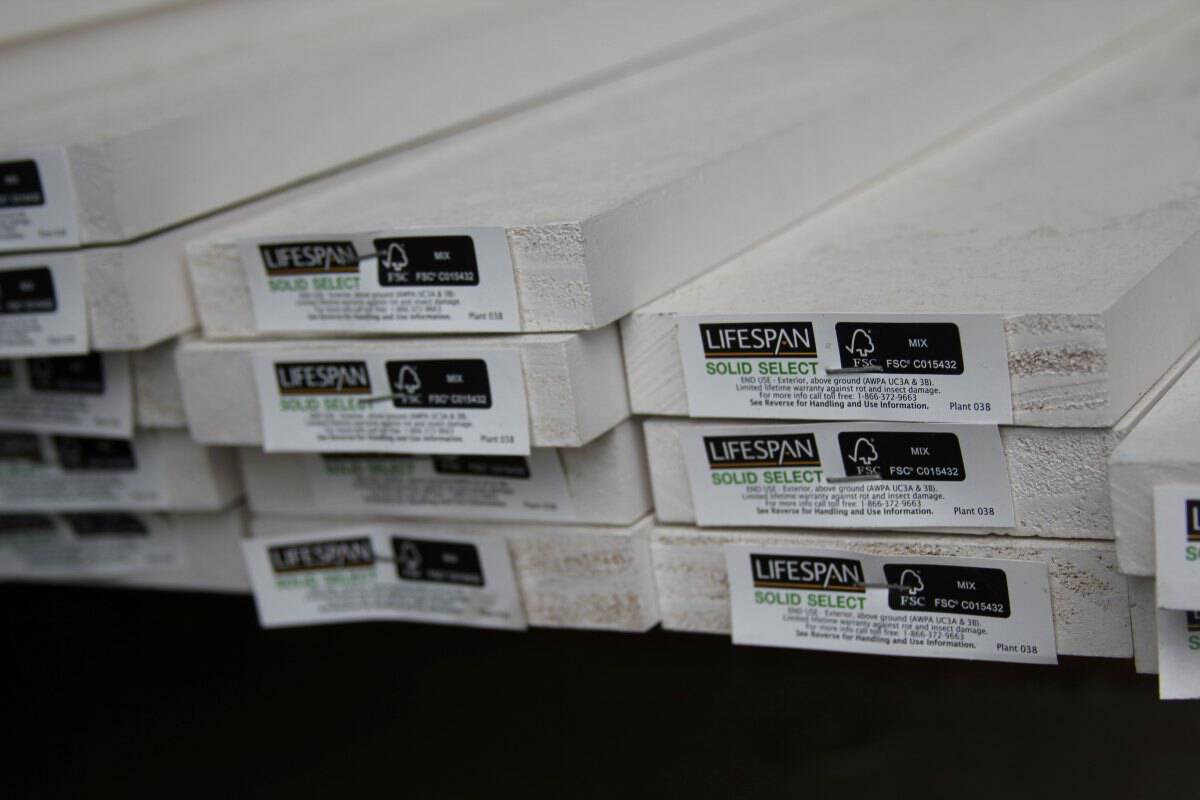
- Organic-Treated Radiata Pine – Brands like LIFESPAN® Solid Select provide high-grade, clear lumber sourced from sustainable radiata pine forests. Instead of harsh metallic chemicals, it is treated to the core with an EPA-approved organic preservative that safeguards against rot, fungal attacks, and termites. Finished with two factory-applied coats of alkyd primer, it yields a defect-free, smooth surface that is non-corrosive to fasteners and comes with a limited lifetime warranty.
Cedar and Other Natural Wood Options
Some homeowners and builders choose naturally durable wood species because of their appearance and ability to perform outdoors. It’s often used for siding, trim, outdoor living areas, and custom details. Cedar is a popular option for exterior projects because it offers:
- Natural resistance to decay
- A distinctive wood grain and appearance
- Stability through seasonal changes
- A timeless look
Specialty Exterior Lumber
Certain premium wood products can add a high-end look, but you have to be careful where you use them. Always consider how much exposure the material will face. IPE and mahogany are often good for exterior projects.
What Are Composite Materials and How Do They Compare to Wood?
Composite materials are engineered products designed to provide durability and consistent performance. Composite materials have become a popular alternative to traditional wood, especially for exterior projects. Made from a combination of materials designed for durability, composites are built to resist some of the common challenges wood can face outdoors.
Wood vs. Composite Materials: Which Is the Better Choice?
Wood and composite materials each have their place. It really depends on the project and the look you want. Wood remains a favorite for its natural character, versatility, and classic appearance. Common uses for wood exterior materials:
- Custom millwork details
- Traditional wood siding
- Exterior trim
- Projects where the natural wood look is preferred
Pressure-treated lumber is a reliable choice for many outdoor applications, including decks, framing, fencing, and other exterior projects and it typically has a lower upfront cost, but it may require more maintenance over time.
- Deck structures
- Framing and areas exposed to moisture
Composite materials, such as composite siding and decking products, are designed for durability and easier maintenance. They help resist moisture, rot, and insects while keeping a consistent look over time. They also usually have a higher initial cost but may save money in the long run because they often require less upkeep. Composite materials are often a great choice for:
- Deck surfaces
- Composite siding materials
- Exterior trim
- Railings
- Areas exposed to moisture
What Should Contractors Consider When Choosing Materials?
Contractors actually have a lot to consider when choosing the right materials for the job. They’ll need to think about:
- How Will the Material Handle the Environment? Exterior products need to handle everything the seasons bring. Moisture, freezing temperatures, humidity, and temperature swings can all affect how materials perform over time.
- What Does the Homeowner Want? Every homeowner has different priorities. Some want the natural look of wood and don’t mind regular maintenance. Others prefer a product that requires less upkeep. Helping homeowners understand those differences makes it easier to recommend materials they’ll feel good about long-term.
- Is the Product Built to Last? Not all products are made the same. Quality materials can make a difference in how an exterior looks and performs years after installation. Working with a knowledgeable supplier helps contractors choose products that meet the demands of the project, not just the minimum requirements.
- How Will the Materials Work Together? A home exterior includes many moving parts. Siding, trim, fasteners, flashing, windows, doors, and other components must work together to create a durable finished product.
Build With Materials That Are Made to Last
Choosing exterior materials is one of the most important decisions in any residential project. The right products help homes look better, perform better, and stay that way for years. At rk MILES, we work with contractors, builders, and homeowners to provide quality lumber, composite products, and exterior building materials backed by knowledgeable support. Need help choosing materials for your next project? Contact us today. We’re here to help you build with confidence.