

Dark Exterior Colors: Understanding the Tradeoffs
Dark-colored exteriors remain a popular trend in residential construction, offering a bold, modern appearance. However, before selecting dark paints or stains, it’s important to understand how these finishes affect the performance, durability, and maintenance requirements of exterior building materials.
Wood has been a preferred building material for centuries because it is strong, versatile, repairable, and renewable when responsibly harvested and replanted. Compared with many manufactured materials, wood generally offers good dimensional stability and can be painted, stained, treated, and refinished over time. However, performance varies by species, grain orientation, and exposure conditions. Cedar, fir, tropical hardwoods, and thermally modified wood are often good choices for exterior applications, with vertical-grain lumber generally offering greater stability than flat-grain lumber.
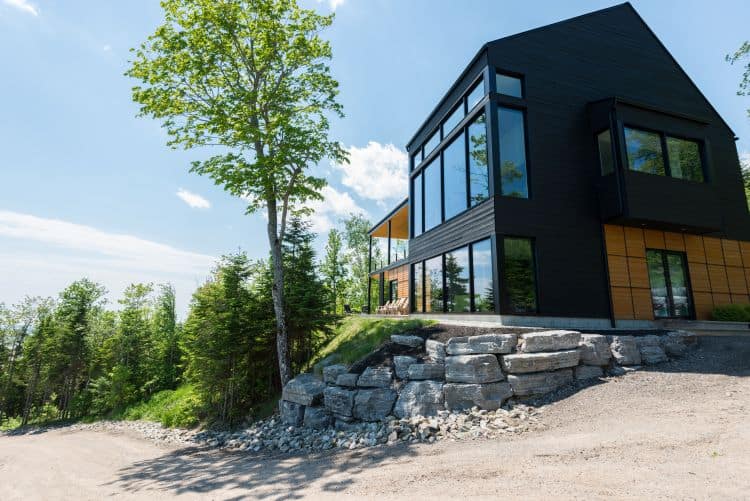
Like all exterior materials, wood expands and contracts as temperatures and moisture levels change. Dark paints and stains can intensify this movement because they absorb more solar heat, increasing the temperature of the material beneath the finish. Over time, this added thermal stress can contribute to premature coating failure, checking, cracking, fiber degradation, and reduced service life. We have seen a growing number of performance issues on projects using very dark exterior finishes, highlighting the importance of careful product selection and realistic expectations for long-term maintenance and longevity.
Understanding Light Reflectance Value (LRV)
An important factor when selecting exterior paint colors is Light Reflectance Value (LRV), which measures how much visible light a color reflects on a scale from 0 (absolute black) to 100 (pure white). Generally, the lower the LRV, the more solar heat a color absorbs, potentially increasing surface temperatures and thermal movement in the material beneath the coating.
As a general rule of thumb, colors with an LRV below 40 may increase the risk of premature coating failure, material movement, and a shorter service life compared with lighter colors. However, this is a guideline, not a universal cutoff. Acceptable LRV ranges vary by product, material, coating system, and manufacturer specifications.
Before selecting a dark color for siding or trim, always consult the manufacturer’s guidelines for minimum LRV requirements and approved coating applications. Using a color outside the manufacturer’s recommendations may increase the risk of performance issues and could affect applicable warranty coverage. Never assume a dark color is suitable simply because the paint is formulated for exterior use.
Choosing the Right Materials for Dark Finishes
Certain wood species and grain orientations can help improve performance, but no exterior material is immune to elevated temperatures. Manufactured products are not automatically a better solution, either. PVC and other plastic-based trim materials can experience significant thermal movement, which is why many manufacturers establish minimum LRV requirements for coatings.
Some factory-finished products, including LP® SmartSide® and James Hardie® siding, offer manufacturer-approved dark color options and may include finish warranties, subject to specific product requirements and warranty terms. Always confirm that your selected color and finish are approved for the intended application.
Ultimately, every exterior material involves tradeoffs between appearance, durability, maintenance, and long-term performance. The question isn’t simply which product can be finished in the darkest color, but which material best meets your expectations for longevity, upkeep, and overall performance.
A dark exterior can be beautiful, but understanding how heat affects building materials is essential to making an informed decision. By choosing appropriate materials, following manufacturer recommendations, and planning for ongoing maintenance, you can achieve the look you want while helping protect your investment for years to come.
Choosing the Right Drill Bits and Accessories for the Job – Why It Matters
Whether you’re tackling a quick home repair or a larger construction project, having the right drill is only part of the equation. The drill bit and accessories you pair with it can have a major impact on accuracy, efficiency, tool life, and the quality of the finished work. With so many drill bit types available, knowing what to use can feel complicated. This drill bit selection guide covers why matching the bit to the material matters and how the right power tool accessories can help you approach your next drilling project with confidence.
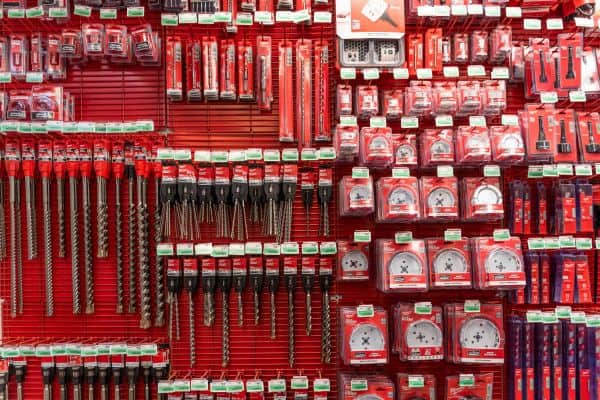
Why Drill Bit Selection Matters
Drill bits are designed with different shapes, materials, coatings, and cutting characteristics for different applications. Factors such as the material being drilled, desired hole size, drill type, bit geometry, and coating can all influence which bit is appropriate for a project. Using an appropriate bit can help produce a cleaner, more precise hole while minimizing unnecessary wear or material damage.
Understanding Different Drill Bit Types
No single bit is ideal for every drilling job. Some common options include:
- Twist Bits: Twist drills are commonly used with wood, sheet goods, metals, and plastics.
- Brad-point Bits: A popular choice for precision woodworking.
- Spade Bits: Designed to create holes in wood and available for applications where larger holes are needed.
- Forstner Bits: Used in woodworking when the project calls for specialized hole-making.
- Masonry Bits: Specifically designed for materials such as concrete.
- Auger Bits: Designed for specialized applications such as drilling deeper holes in wood.
Matching Bits to Wood, Metal, Masonry, and Tile
When drilling wood, metal, concrete, or other materials, start by identifying what is beneath the drill. Consider the following guide for varying materials:
- Wood: Wood offers several choices depending on the hole you need. Twist bits can handle many general woodworking tasks, while spade, auger, or Forstner bits have more specialized uses.
- Metal: Metal requires careful consideration of both the bit material and its geometry. For example, a 135-degree split point is designed for cutting metal and helps prevent the bit from walking or slipping.
- Concrete: Concrete calls for a masonry bit, while tile requires a bit specifically rated for the particular tile material. Always follow the bit and power tool manufacturer’s recommendations.
Don’t Overlook Quality Accessories and Attachments
Power tool accessories can help make certain jobs easier and more controlled. Depending on the project, useful accessories might include depth stops, drilling guides, bit extensions, and attachments designed for a particular task. The goal is to create a drilling setup suited to the work rather than trying to make one combination handle every project.
Common Mistakes That Can Damage Materials or Tools
Even a quality drill bit can perform poorly when used incorrectly. Some mistakes to avoid include:
- Choosing a bit that isn’t intended for the material
- Applying excessive pressure
- Using an inappropriate drill speed
- Failing to secure the workpiece
- Continuing to use a bit that is noticeably worn or damaged
Proper Equipment Can Support Safer Drilling
Correct equipment also contributes to a safer work environment. Before drilling, make sure the bit is securely fastened in the chuck and that appropriate speed and torque settings are being used. Appropriate safety gear should also be worn for the task. Secure the material before drilling and inspect bits for visible wear or damage before use.
The Right Bit Can Save Money
Using an unsuitable bit can lead to damaged materials, poor-quality holes, prematurely worn accessories, or work that needs to be redone. In contrast, choosing a bit engineered for the application can support better tool life and productivity. Choosing appropriately the first time can help reduce unnecessary material and tool costs.
Maintain and Organize Your Drill Accessories
Good organization makes it easier to find the correct bit for your next project. Store bits in a clean, dry, organized location to help protect them against rust and damage. Inspect them periodically for wear and sharpen appropriate bits when necessary. Separating bits by material, size, or application can also make your collection easier to navigate.
Find the Right Tools for Your Next Project
Our team at rk MILES can help you choose the right drill bit and accessories to make your work cleaner, safer, and more efficient. Instead of forcing one bit to handle every material, take time to match your tools and accessories to the job. Visit us to explore our selection of drill bits, power tool accessories, and drilling solutions.
Frequently Asked Questions
Which Drill Bit Is Best for Concrete?
A masonry bit designed for concrete is the appropriate choice. Always verify that the bit is compatible with the specific material and drill you plan to use.
Can One Drill Bit Be Used for Multiple Materials?
Some bits have broader applications. For example, twist drills can be used across a range of materials, including wood, metals, plastics, and sheet goods. Specialized materials and applications may call for purpose-built bits.
How Often Should Drill Bits Be Replaced?
There isn’t one replacement schedule for every drill bit. Wear varies according to the bit, material, frequency of use, and operating conditions. Inspect bits regularly for wear and sharpen suitable bits as needed. Replace a bit when its condition prevents safe or effective use.
What Accessories Improve Drilling Accuracy?
Depending on the project, drilling guides, depth stops, and similar positioning accessories can help provide greater control. The best choice will depend on the hole, material, tool, and level of precision required.
Interior Door Trends – Replace Those Hollow Core Doors with New Innovative Options
Interior doors may not be the first feature homeowners think about when planning an update, but they have a surprisingly large impact on how a home looks, feels, and functions. Older hollow core doors can feel lightweight and dated, while newer options introduce better sound control, a more substantial feel, and fresh design possibilities. From solid core interior doors to sleek glass and space-saving designs, today’s interior door trends make it possible to turn a functional necessity into an important part of your home’s style.

Why Homeowners Are Replacing Traditional Hollow Core Doors
Hollow core doors remain a practical option because they’re lightweight and relatively easy to handle. Their lightweight construction also means they generally provide less sound reduction and feel less substantial than solid core alternatives. As homeowners put more thought into every element of their interiors, doors are increasingly being treated as part of the overall architecture rather than simply a way to separate rooms.
Benefits of Modern Interior Door Designs
Updating interior doors offers an opportunity to customize each opening to the room and its use. Potential benefits include:
- A more substantial feel
- Improved sound reduction with appropriate door construction
- Increased privacy between rooms
- More natural light with glass-panel designs
- Space savings with sliding or pocket configurations
- Greater visual consistency throughout the home
- An easy way to introduce new finishes, colors, and hardware
Solid Core Doors and Their Advantages
Solid core interior doors are heavier than hollow core models and can help reduce sound transfer between rooms. These qualities make them particularly attractive for bedrooms, home offices, and other areas where homeowners want more quiet and privacy. They can also provide the heavier, more substantial feel homeowners often associate with an upgraded interior.
Popular Styles Including Shaker, Glass, and Flush Doors
Today’s modern interior door styles range from understated to attention-grabbing. Homeowners can also use decorative interior doors featuring molding, routed patterns, linear details, or distinctive hardware to transform the door itself into a design feature. Some of the most popular door styles include:
- Shaker Doors: Characterized by clean lines and recessed panels, Shaker doors are versatile enough for modern, transitional, farmhouse, and Craftsman-inspired spaces.
- Glass Doors: Glass panels allow light to travel between rooms while maintaining a physical division between spaces. Current designs are also incorporating textured and privacy glass in creative configurations.
- Flush Doors: These smooth, streamlined doors eliminate raised panels and elaborate detailing, making them particularly well-suited to contemporary and minimalist interiors.
Space-Saving Options Such as Barn and Pocket Doors
Not every room has enough floor space to accommodate a traditional swinging door. Sliding doors can eliminate the clearance required by hinged doors. Barn doors slide along the outside of a wall, while pocket doors disappear into the wall when opened. Pocket doors require the appropriate wall construction and planning for installation.
Sound Reduction and Privacy Improvements
Privacy is especially important in bedrooms, offices, and other personal spaces. Hollow core doors generally don’t block sound as effectively as heavier options, while solid core and solid wood doors can provide better noise reduction. When working from home, managing a busy household, or creating quieter sleeping spaces, upgrading the door may help create better separation between rooms.
Design Trends That Can Enhance Home Appeal
Current interior doors are becoming more intentional and architectural. Emerging trends include:
- Oversized Doors
- Minimalist Panel Configurations
- Textured Surfaces
- Geometric Detailing
- Glass Inserts
- Warmer Finishes
- Doors designed to visually continue the surrounding wall
Color is another way to make an impact. Black doors can provide a strong contrast against neutral walls, while warm whites, creams, taupes, muted earth tones, and wood-inspired finishes can produce a softer effect.
Factors to Consider Before Upgrading Interior Doors
Before starting a replacement project, it’s essential to understand specific factors about your space. Consider the following:
- Room Function: Bedrooms and offices may benefit from better sound control.
- Available Space: Determine whether swinging, sliding, barn, or pocket doors make the most sense.
- Existing Architecture: Select doors that coordinate with the home’s overall character.
- Door Material: Compare hollow core, solid core, engineered wood, glass, and solid wood options.
- Hardware: Handles, hinges, and finishes can dramatically change the finished appearance.
- Installation Requirements: Accurate measurements, proper alignment, and compatible framing are important to successful operation.
Upgrade Your Home with New Interior Doors
rk MILES is your go-to supplier for durable, beautiful doors. Whether you’re interested in solid core doors for added privacy, contemporary flush doors, timeless Shaker designs, or an eye-catching glass option, today’s interior doors offer solutions for nearly every style and space. Contact our team today to explore innovative door styles.
Frequently Asked Questions
Are Solid Core Doors Worth the Investment?
They can be, particularly when sound reduction, privacy, and a more substantial feel are priorities. Solid core doors are heavier than hollow core alternatives and can help reduce noise transfer.
Which Interior Door Styles Are Trending?
Current and emerging styles include clean panel designs, flush doors, glass elements, textured and routed surfaces, warm finishes, geometric detailing, and larger statement doors. Shaker doors also remain a versatile option for several popular interior styles.
Do Upgraded Doors Increase Home Value?
New doors can improve the overall appearance and functionality of an interior, potentially making the home more appealing to buyers. Homeowners should view doors primarily as a functional and aesthetic improvement rather than assume a guaranteed return on investment.
What Is the Difference Between Solid Core and Hollow Core Doors?
Hollow core doors are lightweight and generally provide less resistance to sound transmission. Solid core doors are heavier and provide better sound reduction, making them useful for spaces where privacy and quiet are priorities.
ABCs of House Insulation – What to Insulate First and Why It Matters
Insulation plays an important role in keeping a home comfortable and energy efficient, but upgrading it effectively involves more than simply adding material wherever it appears thin. Air leakage and heat transfer can occur throughout the building envelope, which means the order in which problem areas are addressed can matter. A useful home insulation guide is to remember the ABCs: Attic, Basement, and Conditioned Spaces. By starting at the top and bottom of the home before addressing remaining areas, homeowners can target two important parts of the building envelope that contribute to the stack effect.
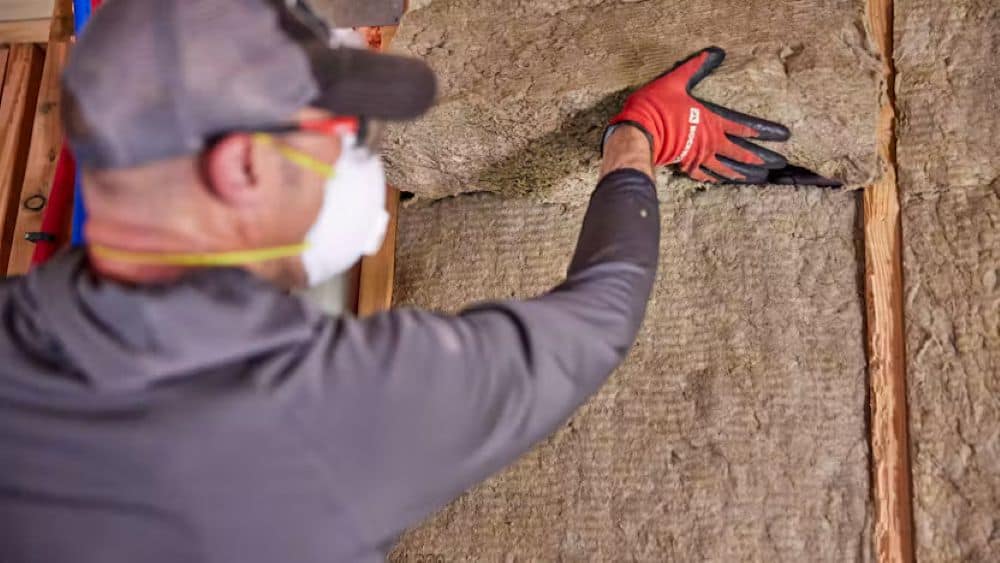
Understanding How Heat Loss Affects Home Efficiency
A home’s building envelope separates conditioned indoor areas from unconditioned spaces and the outdoors. When the envelope has inadequate insulation or air leaks, maintaining comfortable temperatures can become more difficult. High-quality insulation helps slow heat transfer, while air sealing tackles the movement of air through cracks and openings. The two strategies work together, so homeowners should consider both when looking for residential energy savings insulation opportunities.
The Stack Effect and Why It Matters
The stack effect describes the movement of air through a building as a result of temperature differences. During cold weather, warmer indoor air rises and can escape through openings near the top of a home. That movement can create pressure differences that draw colder outside air through openings lower in the structure. For homeowners looking to improve stack effect home efficiency, the attic and lower portions of the building envelope deserve particular attention.
A: Why the Attic Should Be Insulated First
Of all the attic insulation benefits, reducing unwanted heat transfer near the top of the house is one of the most important. In colder conditions, heated indoor air naturally moves upward, making the attic a logical place to start when improving the building envelope. Air sealing is also important before adding insulation. Potential attic leaks can occur around plumbing penetrations, wiring holes, attic hatches, and other openings. A properly insulated attic acts as a thermal barrier that reduces heat transfer between the home’s conditioned interior and unconditioned spaces.
B: Basement Insulation Benefits for Comfort and Efficiency
Basements, crawl spaces, and rim or box joist areas can provide pathways for outside air to enter the home. Because the stack effect can draw air in through lower portions of the structure as warmer air escapes above, addressing basement leakage complements improvements made in the attic.
Appropriate basement insulation solutions can help create a more complete thermal boundary. The rim joist or box sill is particularly worth evaluating because it sits where the home’s framing meets the foundation and can be a significant source of air leakage.
C: Insulating Conditioned Spaces for Complete Protection
Once the top and bottom of the building envelope have been evaluated, attention can turn to the remaining spaces separating conditioned areas from unconditioned ones. Depending on the home, trouble spots may include wall penetrations and openings associated with utilities, vents, fans, and other building components. The goal is a whole-home approach. Insulation and air sealing should work
Common Areas Where Air Leakage Occurs
Air can find its way through surprisingly small openings. Areas worth having evaluated include:
- Attic hatches
- Plumbing and wiring penetrations
- Rim or box joists
- Crawl space gaps
- Dryer vent openings
- Vents and fans
- Utility service penetrations
- Fireplace dampers
Signs Your Home May Need Additional Insulation
You don’t necessarily need to see exposed framing to suspect an insulation problem. Possible warning signs include:
- Drafts near floors or windows
- Noticeable temperature differences between levels
- Cold floors during winter
- Uncomfortably warm upper rooms
- Higher energy bills despite previous insulation improvements
- Insulation that is damp, damaged, uneven, or has visible gaps
Long-Term Benefits of a Proper Insulation Strategy
Taking an ABC approach can help homeowners think beyond a single insulation project and consider the home as one interconnected system. Appropriate insulation and air sealing can help limit heat loss, reduce drafts, improve temperature consistency, and reduce the heating and cooling demand associated with unwanted heat transfer and air leakage. Most importantly, the right solution depends on the home’s existing construction, climate, insulation, moisture conditions, and air-leakage points.
Improve Your Home From Top to Bottom
rk MILES can help boost your home’s insultation with premium building products. If your home feels drafty, has uneven temperatures, or is difficult to keep comfortable, it may be time to take a closer look at its insulation. Contact our professionals today to learn more.
Frequently Asked Questions
What Is the Stack Effect in a Home?
The stack effect is the natural movement of air through a home driven by temperature differences. During cold conditions, warmer indoor air can rise and escape through upper-level leaks while colder outdoor air is drawn in through openings lower in the home.
Why Should Attic Insulation Be Prioritized?
The attic sits at the upper portion of the building envelope, where rising heated air can escape through leaks during cold weather. Addressing air leakage and insulation in the attic can help control heat transfer and unwanted airflow.
Is Basement Insulation Necessary in Older Homes?
It depends on the home’s construction and existing thermal envelope. Basements can contain significant leakage points, particularly around rim or box joists, so an older home’s basement is worth evaluating as part of a whole-home insulation assessment.
How Do I Know if My Home Needs More Insulation?
Drafts, uneven temperatures, cold floors, warm upper levels, damaged insulation, or high energy bills can indicate that an evaluation may be worthwhile. A home energy audit can help identify air leaks and areas with inadequate insulation.
Jeremy Baker Named 2026 VRLDA Lumber Person of the Year

Jeremy Baker accepts the 2026 Lumberperson of the Year award from current VRLDA President Claudia Homan
rk MILES is proud to announce that Jeremy Baker, the company’s Safety & Fleet Manager, has been named the 2026 Lumber Person of the Year by the Vermont Retail Lumber Dealers Association (VRLDA). Baker received the Association’s highest individual honor during its 2026 Annual Meeting at Stratton Mountain on September 24th.
The Lumber Person of the Year Award recognizes individuals who have demonstrated exceptional leadership, dedication, and service to Vermont’s lumber and building materials industry. Throughout his career, Baker has been committed to promoting safety, supporting employees, and strengthening the independent lumber industry across the state.
“I’m incredibly honored to receive the 2026 Lumber Person of the Year Award from the Vermont Retail Lumber Dealers Association,” Baker said.
“This recognition is especially meaningful because it reflects the people I’ve had the privilege to work alongside throughout my career. The lumber industry is built on strong relationships, hard work, and a shared commitment to serving our communities, and I’m proud to be part of that tradition at rk MILES,” he added.
Baker has served the VRLDA in numerous leadership roles, including President and Legislative Chair. He continues to support the industry nationally through the NRLA Executive Committee, Lumber and Building Material Foundation and American Building Material Alliance. Baker also chairs the NRLA Safety Roundtable. His dedication to safety, mentorship, and collaboration has made a lasting impact on both his colleagues and the building materials community.
_______________________________________________________________________________________________