
 CALL FOR A QUOTE TODAY
Professional Painting Tips: Maximizing Efficiency Without Sacrificing Quality
A fresh coat of paint can completely change a space. It’s one of the final steps in a project, but it’s also one of the details people notice first. Clean lines, even coverage, and a smooth finish can make a room feel polished, while rushed prep work can make the job seem a lot harder than it has to be. At rk MILES, we know every successful project starts with having the right materials and the right advice. Here are some professional painting tips to help you get the job done right.
Why Is Painting Important in Project Finishing?
Paint is often considered the finishing touch, but it does a lot more than simply add color. For homeowners, it’s what brings the whole project together. For builders and contractors, it’s the final detail that can make all the hard work behind the walls, floors, and fixtures truly stand out. A quality paint job helps:
- Protect surfaces from everyday wear and tear
- Create a clean, finished appearance
- Highlight the details and craftsmanship of a space
- Give a room or exterior a completely refreshed look
Start With the Step Most People Want to Skip: Prep Work
The secret to a smooth paint finish usually happens before the first brush ever hits the wall. The more work you put in before painting, the easier the actual painting becomes. When your room is protected, and your walls are properly prepped, you can get straight to the part everyone actually enjoys: rolling on the paint! Before you begin, take time to:
- Clear and protect your space – Move furniture, cover floors, and protect trim, fixtures, outlets, around windows and door trim, and anything else you don’t want covered in paint. A fully protected work area means you aren’t stopping every few minutes to clean up a drip or worry about where your brush is going.
- Clean your surfaces – Dust, dirt, and buildup can prevent paint from applying smoothly. Even small particles can get trapped in your finish, leaving you with a surface that looks uneven instead of smooth.
- Repair imperfections – Fill nail holes, smooth cracks, and sand rough spots before you start. Once the paint goes on, those small flaws become much more noticeable.
- Prime– Primer helps create a consistent surface, improves coverage, and gives your paint a better foundation.
Slow Down at the Beginning to Move Faster Later
It might seem like spending extra time on prep slows you down, but it usually does the opposite. When walls are clean, smooth, and ready:
- Paint covers better
- You need fewer coats
- Mistakes are easier to avoid
- Cleanup is simpler
- The finished result looks more professional
Tools That Deliver Professional Results
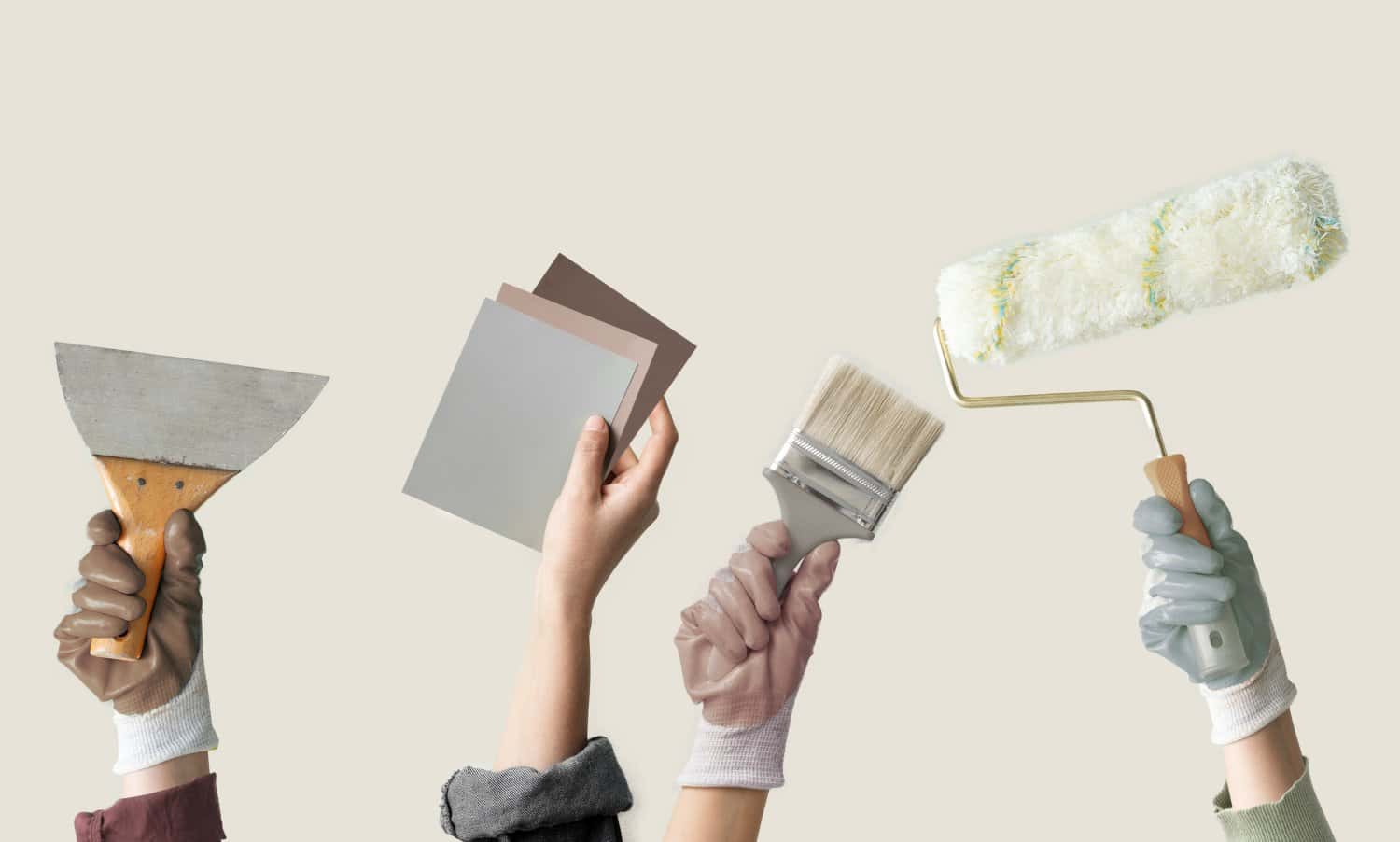
Using the wrong equipment will slow you down and leave behind unsightly brush marks or lint lines. Professional painters maximize efficiency by matching high-quality tools to the specific demands of the project. Some must-haves for a quality paint job include:
- A good brush for edges, corners, and detail work
- A quality roller for smooth, even coverage
- An extension pole to make larger areas easier
- Painter’s tape for cleaner lines
- Sanding supplies for surface prep
- Drop cloths to keep your workspace protected
Safety Measures to Follow
Efficiency means nothing if a project is halted by a preventable injury. Maintain a safe and professional work site by enforcing these safety protocols:
- Ventilation – Ensure continuous fresh airflow in indoor spaces to disperse fumes from paints, primers, and solvents.
- Personal Protective Equipment (PPE) – Wear safety glasses to protect against splatters and a proper respirator mask when sanding old surfaces or spraying paint.
- Ladder Safety – Set extension and step ladders on stable, level ground, and never overextend your reach while painting.
Common Painting Mistakes to Avoid
To truly speed up your painting process, you must eliminate the mistakes that force you to stop and redo your work. Watch out for these frequent errors:
- Skipping prep work – Paint applied over dirt, dust, or damaged surfaces won’t perform the way it should.
- Overworking the paint – Brushing or rolling back over paint that has already begun to dry creates visible streaks and ruins the smooth texture.
- Ignoring the weather – Applying paint in extreme humidity or freezing cold severely disrupts the proper drying and curing process.
- Rushing between coats – Giving each coat enough time to dry helps prevent uneven coverage and unwanted texture.
- Applying too much paint at once – Thinner, even coats usually create a smoother finish than trying to cover everything in one heavy layer.
- Using low-quality tape – Standard masking tape can bleed or tear away fresh paint; stick to premium painter’s tape and remove it at a 45-degree angle while the paint is still slightly damp.
How to Ensure a High-Quality Finish
To achieve a beautiful finish, focus on your application technique. Load your brush or roller fully, but don’t over-apply, and maintain a “wet edge” by overlapping each new stroke with the previous one before it dries. This technique prevents visible overlap lines. Work methodically from the top down, starting with ceilings, moving to trim, and finishing with the walls, to smoothly catch and blend out any accidental drips along the way.
Make Your Next Painting Project Easier
Painting doesn’t have to be the hardest part of your project. When you prepare properly, use the right tools, and start with quality materials, the entire process becomes faster and more enjoyable. If you need help finding the right supplies for your next project, rk MILES is here to help. Since 1940, we have stood as a reliable partner for homeowners and trade professionals in the area. Let us help you build trust and deliver outstanding results on your next project. Contact us today to learn more.
_______________________________________________________________________________________________