
 CALL FOR A QUOTE TODAY
Innovative Building Material Solutions for Sustainable and Cost-Effective Construction
Every construction project comes with a long list of decisions, and the price on the initial order of materials only tells you so much about what each product is going to cost. You still have installation time, material waste, energy performance, and future maintenance needs to be considered once the building is complete.
Fortunately, today’s building material solutions give builders and property owners some impressive ways to manage those priorities together. With smarter use of resources and advanced manufacturing behind them, modern construction products can help you build responsibly, control long-term costs, and create a finished structure that’s prepared to perform for many years to come. Let’s get into the innovations that are driving more sustainability in construction.
Why Sustainable Materials Are in Demand
Builders and property owners are asking more questions about what goes into a product, where its raw materials come from, and how long it will reliably serve the building. At the same time, energy codes and performance expectations continue pushing construction toward tighter, more efficient structures.
That has increased the demand for sustainable construction materials backed by responsible sourcing, useful product data, and dependable performance. These products give project teams more opportunities to use resources thoughtfully without losing sight of what the building needs to accomplish.
What Makes Material Innovative?
A new product doesn’t earn the title of innovative simply because it uses unfamiliar material or comes with an impressive technical description. It needs to improve how contractors build, how the completed structure performs, or how efficiently the industry uses its resources.
The most innovative building materials solve a recognizable construction challenge. They may give crews more consistent dimensions, improve control over air and moisture, use reclaimed content, or keep an important building component in service longer. In every case, the innovation should offer a practical advantage that builders and property owners can recognize.
Modern Building Materials Transforming Construction
Many of today’s advancements build upon familiar product categories rather than replacing everything contractors already know. That gives builders more opportunities to improve performance without introducing unnecessary complexity. Here are a few of those notable advancements:
- Engineered Wood Products – Manufacturers arrange wood fibers, veneers, or strands to create products that use the resource efficiently and deliver consistent structural performance.
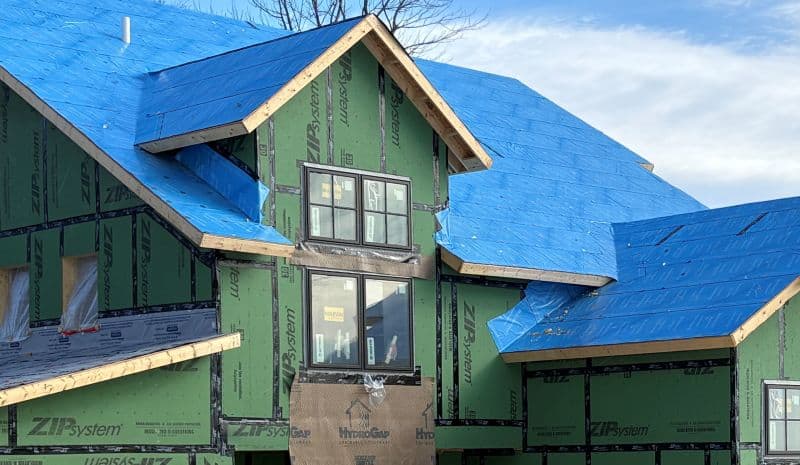
- Advanced Envelope Systems – Integrated sheathing and moisture-control products can coordinate air, water, and thermal management across the exterior of a building.
- High-Performance Insulation – Improved insulation products help limit heat transfer, which can reduce the energy needed to keep interior spaces comfortable.
- Recycled-Content Exteriors – Composite decking, trim, and other exterior products use reclaimed material and reduce the refinishing work associated with some traditional options.
- Precisely Manufactured Components – Factory-built panels and components can help contractors control dimensions, organize installation, and reduce unnecessary cutting at the jobsite.
Reducing Construction Costs Through Smarter Material Choices
The lowest unit price won’t necessarily produce the lowest completed cost. One product may call for more cutting, additional accessories, or several installation steps. Another may arrive in consistent dimensions and allow the crew to complete the same area with less handling. These kinds of variables can quickly change the number you first saw on the quote.
Accurate takeoffs can make these differences easier to evaluate before ordering. Builders can compare coverage, fastening requirements, crew time, and the usable amount of product in each package. That wider calculation can reduce unnecessary purchases without leaving the crew short at an inconvenient point in construction.
Sustainability Benefits for Builders and Property Owners
Builders and property owners experience the value of materials at different stages. Contractors may appreciate products that arrive in consistent dimensions, install with familiar methods, or reduce the number of separate steps their crews need to complete. Less cutting and fewer damaged pieces can help them use more of what they purchase.
Of course, property owners inherit the advantages once construction ends. Quality insulation can help control heating and cooling demands, and durable exterior products may need fewer repairs or treatments over their service life. A strong selection serves both stages by considering how the crew will install it and what the owner will need from it afterward.
Improving Durability and Building Performance
Every material has a specific job to do, and the conditions around it will determine which product belongs there. Exterior components need to tolerate exposure to weather. Structural products need to carry their assigned loads. Insulation and air-control products need to function as part of a complete wall or roof assembly.
Therefore, you’re going to get better long-term performance when each selection can handle the conditions it faces. Having moisture resistance across an exposed exterior is going to be genuinely invaluable, and dimensional stability is going to help an engineered component retain its strength through changing temperatures. Pair those qualities with proper installation, and you can reduce the premature damage that leads to repairs or replacement much earlier than planned.
How to Select Materials for Different Projects
Your priorities are going to change with the kind of work you’re planning. New construction gives you more freedom to coordinate products across the building, whereas renovation has to account for the dimensions and assemblies already in place. Commercial work may bring another set of structural, fire, accessibility, and energy requirements into the decision.
It’s always best to start with the plans and the conditions each product will encounter. From there, review availability, installation instructions, compatible accessories, and lead times. That will help you choose effective construction materials based on what the project needs instead of chasing an impressive feature that offers little practical benefit there.
Future Trends in Sustainable Construction
Builders are gaining access to better information about where products come from and how manufacturers make them. One such resource is an Environmental Product Declaration, which provides standardized data that can help project teams compare similar products. Responsible forestry certifications give them another way to verify the sourcing behind qualifying wood.
Other modern construction materials trends include wider use of reclaimed ingredients, precisely manufactured components, and engineered fibers that make more efficient use of resources that are already available. As manufacturers continue improving these products, builders will have more opportunities to compare sustainability with the projects they’re already familiar with, such as availability, installation, and service life.
Plan Your Material Order With rk MILES
A promising product still has to align with the construction plans, arrive when the crew needs it, and provide enough material to complete the work without creating unnecessary excess. Bringing those details together can turn a responsible material choice into a much stronger construction decision.
As a full-service lumber yard and local building supplier, our team here at rk MILES proudly provides support to residential and commercial projects with experienced product specialists, in-house estimators, outside sales professionals, on-site consultation, and, of course, timely deliveries.
Tell us what you’re building and what you want the completed project to accomplish. Reach out to our team online or visit your nearest rk MILES location to explore sustainable products and prepare an informed material order.
Sustainable Building Materials – Frequently Asked Questions
Are Sustainable Materials More Expensive?
They certainly can be, but that won’t be true of every sustainable product. Compare the purchase price with the labor, energy use, repairs, and eventual replacement each option could involve. That broader view will help you determine whether a larger upfront investment offers enough long-term value for your project.
Can Eco-Friendly Materials Improve Property Value?
They certainly can contribute to it, especially when they improve energy performance, durability, comfort, or future ownership costs. However, no individual product guarantees a particular increase in property value. Keep records of major upgrades and product documentation so future buyers can understand what was installed and why it benefits the building.
Which Sustainable Certifications Should I Check?
You’ll want documentation that verifies the claim you’re evaluating. FSC® certification addresses responsible forestry and chain-of-custody requirements for qualifying wood products. Environmental Product Declarations provide standardized environmental information. LEED evaluates the complete building project, so it serves a different purpose than product-level documentation.
How Can New Materials Reduce Maintenance?
Many newer products use protective surfaces, stronger moisture resistance, or stable engineered construction to reduce refinishing and premature repairs. That can give property owners more time between major expenses. Of course, the product still needs proper installation and routine care to deliver the service life its manufacturer intended.