
 CALL FOR A QUOTE TODAY
Choosing the Right Drill Bits and Accessories for the Job – Why It Matters
Whether you’re tackling a quick home repair or a larger construction project, having the right drill is only part of the equation. The drill bit and accessories you pair with it can have a major impact on accuracy, efficiency, tool life, and the quality of the finished work. With so many drill bit types available, knowing what to use can feel complicated. This drill bit selection guide covers why matching the bit to the material matters and how the right power tool accessories can help you approach your next drilling project with confidence.
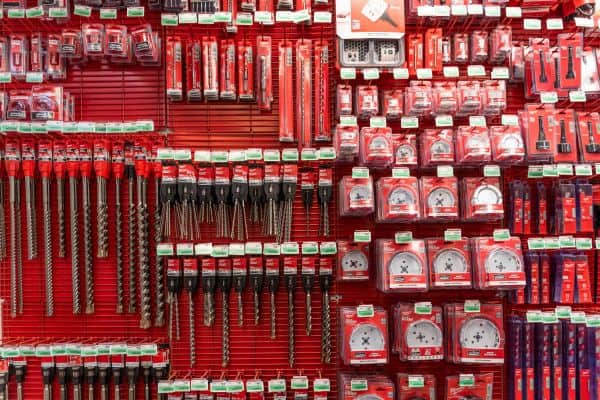
Why Drill Bit Selection Matters
Drill bits are designed with different shapes, materials, coatings, and cutting characteristics for different applications. Factors such as the material being drilled, desired hole size, drill type, bit geometry, and coating can all influence which bit is appropriate for a project. Using an appropriate bit can help produce a cleaner, more precise hole while minimizing unnecessary wear or material damage.
Understanding Different Drill Bit Types
No single bit is ideal for every drilling job. Some common options include:
- Twist Bits: Twist drills are commonly used with wood, sheet goods, metals, and plastics.
- Brad-point Bits: A popular choice for precision woodworking.
- Spade Bits: Designed to create holes in wood and available for applications where larger holes are needed.
- Forstner Bits: Used in woodworking when the project calls for specialized hole-making.
- Masonry Bits: Specifically designed for materials such as concrete.
- Auger Bits: Designed for specialized applications such as drilling deeper holes in wood.
Matching Bits to Wood, Metal, Masonry, and Tile
When drilling wood, metal, concrete, or other materials, start by identifying what is beneath the drill. Consider the following guide for varying materials:
- Wood: Wood offers several choices depending on the hole you need. Twist bits can handle many general woodworking tasks, while spade, auger, or Forstner bits have more specialized uses.
- Metal: Metal requires careful consideration of both the bit material and its geometry. For example, a 135-degree split point is designed for cutting metal and helps prevent the bit from walking or slipping.
- Concrete: Concrete calls for a masonry bit, while tile requires a bit specifically rated for the particular tile material. Always follow the bit and power tool manufacturer’s recommendations.
Don’t Overlook Quality Accessories and Attachments
Power tool accessories can help make certain jobs easier and more controlled. Depending on the project, useful accessories might include depth stops, drilling guides, bit extensions, and attachments designed for a particular task. The goal is to create a drilling setup suited to the work rather than trying to make one combination handle every project.
Common Mistakes That Can Damage Materials or Tools
Even a quality drill bit can perform poorly when used incorrectly. Some mistakes to avoid include:
- Choosing a bit that isn’t intended for the material
- Applying excessive pressure
- Using an inappropriate drill speed
- Failing to secure the workpiece
- Continuing to use a bit that is noticeably worn or damaged
Proper Equipment Can Support Safer Drilling
Correct equipment also contributes to a safer work environment. Before drilling, make sure the bit is securely fastened in the chuck and that appropriate speed and torque settings are being used. Appropriate safety gear should also be worn for the task. Secure the material before drilling and inspect bits for visible wear or damage before use.
The Right Bit Can Save Money
Using an unsuitable bit can lead to damaged materials, poor-quality holes, prematurely worn accessories, or work that needs to be redone. In contrast, choosing a bit engineered for the application can support better tool life and productivity. Choosing appropriately the first time can help reduce unnecessary material and tool costs.
Maintain and Organize Your Drill Accessories
Good organization makes it easier to find the correct bit for your next project. Store bits in a clean, dry, organized location to help protect them against rust and damage. Inspect them periodically for wear and sharpen appropriate bits when necessary. Separating bits by material, size, or application can also make your collection easier to navigate.
Find the Right Tools for Your Next Project
Our team at rk MILES can help you choose the right drill bit and accessories to make your work cleaner, safer, and more efficient. Instead of forcing one bit to handle every material, take time to match your tools and accessories to the job. Visit us to explore our selection of drill bits, power tool accessories, and drilling solutions.
Frequently Asked Questions
Which Drill Bit Is Best for Concrete?
A masonry bit designed for concrete is the appropriate choice. Always verify that the bit is compatible with the specific material and drill you plan to use.
Can One Drill Bit Be Used for Multiple Materials?
Some bits have broader applications. For example, twist drills can be used across a range of materials, including wood, metals, plastics, and sheet goods. Specialized materials and applications may call for purpose-built bits.
How Often Should Drill Bits Be Replaced?
There isn’t one replacement schedule for every drill bit. Wear varies according to the bit, material, frequency of use, and operating conditions. Inspect bits regularly for wear and sharpen suitable bits as needed. Replace a bit when its condition prevents safe or effective use.
What Accessories Improve Drilling Accuracy?
Depending on the project, drilling guides, depth stops, and similar positioning accessories can help provide greater control. The best choice will depend on the hole, material, tool, and level of precision required.