
 CALL FOR A QUOTE TODAY
ABCs of House Insulation – What to Insulate First and Why It Matters
Insulation plays an important role in keeping a home comfortable and energy efficient, but upgrading it effectively involves more than simply adding material wherever it appears thin. Air leakage and heat transfer can occur throughout the building envelope, which means the order in which problem areas are addressed can matter. A useful home insulation guide is to remember the ABCs: Attic, Basement, and Conditioned Spaces. By starting at the top and bottom of the home before addressing remaining areas, homeowners can target two important parts of the building envelope that contribute to the stack effect.
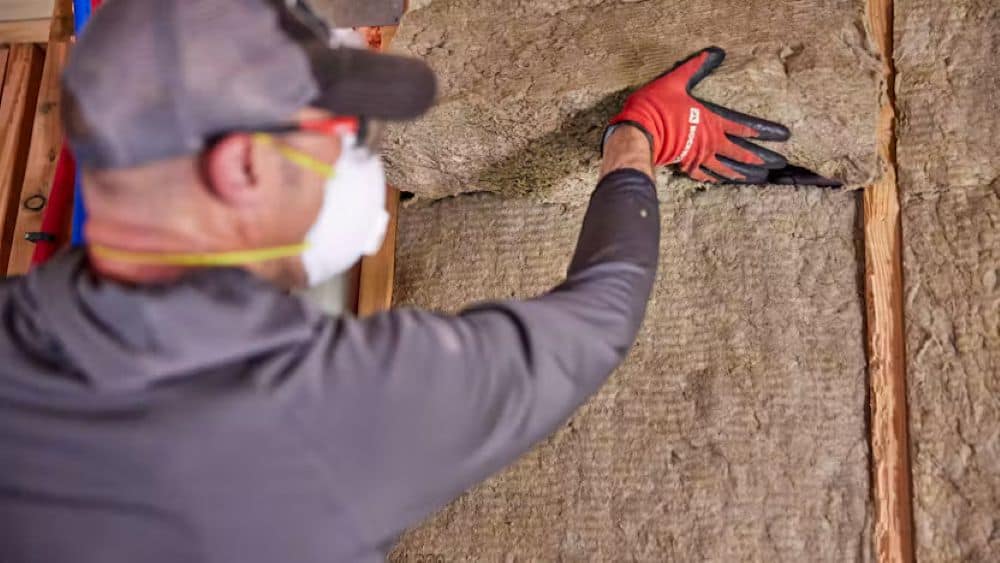
Understanding How Heat Loss Affects Home Efficiency
A home’s building envelope separates conditioned indoor areas from unconditioned spaces and the outdoors. When the envelope has inadequate insulation or air leaks, maintaining comfortable temperatures can become more difficult. High-quality insulation helps slow heat transfer, while air sealing tackles the movement of air through cracks and openings. The two strategies work together, so homeowners should consider both when looking for residential energy savings insulation opportunities.
The Stack Effect and Why It Matters
The stack effect describes the movement of air through a building as a result of temperature differences. During cold weather, warmer indoor air rises and can escape through openings near the top of a home. That movement can create pressure differences that draw colder outside air through openings lower in the structure. For homeowners looking to improve stack effect home efficiency, the attic and lower portions of the building envelope deserve particular attention.
A: Why the Attic Should Be Insulated First
Of all the attic insulation benefits, reducing unwanted heat transfer near the top of the house is one of the most important. In colder conditions, heated indoor air naturally moves upward, making the attic a logical place to start when improving the building envelope. Air sealing is also important before adding insulation. Potential attic leaks can occur around plumbing penetrations, wiring holes, attic hatches, and other openings. A properly insulated attic acts as a thermal barrier that reduces heat transfer between the home’s conditioned interior and unconditioned spaces.
B: Basement Insulation Benefits for Comfort and Efficiency
Basements, crawl spaces, and rim or box joist areas can provide pathways for outside air to enter the home. Because the stack effect can draw air in through lower portions of the structure as warmer air escapes above, addressing basement leakage complements improvements made in the attic.
Appropriate basement insulation solutions can help create a more complete thermal boundary. The rim joist or box sill is particularly worth evaluating because it sits where the home’s framing meets the foundation and can be a significant source of air leakage.
C: Insulating Conditioned Spaces for Complete Protection
Once the top and bottom of the building envelope have been evaluated, attention can turn to the remaining spaces separating conditioned areas from unconditioned ones. Depending on the home, trouble spots may include wall penetrations and openings associated with utilities, vents, fans, and other building components. The goal is a whole-home approach. Insulation and air sealing should work
Common Areas Where Air Leakage Occurs
Air can find its way through surprisingly small openings. Areas worth having evaluated include:
- Attic hatches
- Plumbing and wiring penetrations
- Rim or box joists
- Crawl space gaps
- Dryer vent openings
- Vents and fans
- Utility service penetrations
- Fireplace dampers
Signs Your Home May Need Additional Insulation
You don’t necessarily need to see exposed framing to suspect an insulation problem. Possible warning signs include:
- Drafts near floors or windows
- Noticeable temperature differences between levels
- Cold floors during winter
- Uncomfortably warm upper rooms
- Higher energy bills despite previous insulation improvements
- Insulation that is damp, damaged, uneven, or has visible gaps
Long-Term Benefits of a Proper Insulation Strategy
Taking an ABC approach can help homeowners think beyond a single insulation project and consider the home as one interconnected system. Appropriate insulation and air sealing can help limit heat loss, reduce drafts, improve temperature consistency, and reduce the heating and cooling demand associated with unwanted heat transfer and air leakage. Most importantly, the right solution depends on the home’s existing construction, climate, insulation, moisture conditions, and air-leakage points.
Improve Your Home From Top to Bottom
rk MILES can help boost your home’s insultation with premium building products. If your home feels drafty, has uneven temperatures, or is difficult to keep comfortable, it may be time to take a closer look at its insulation. Contact our professionals today to learn more.
Frequently Asked Questions
What Is the Stack Effect in a Home?
The stack effect is the natural movement of air through a home driven by temperature differences. During cold conditions, warmer indoor air can rise and escape through upper-level leaks while colder outdoor air is drawn in through openings lower in the home.
Why Should Attic Insulation Be Prioritized?
The attic sits at the upper portion of the building envelope, where rising heated air can escape through leaks during cold weather. Addressing air leakage and insulation in the attic can help control heat transfer and unwanted airflow.
Is Basement Insulation Necessary in Older Homes?
It depends on the home’s construction and existing thermal envelope. Basements can contain significant leakage points, particularly around rim or box joists, so an older home’s basement is worth evaluating as part of a whole-home insulation assessment.
How Do I Know if My Home Needs More Insulation?
Drafts, uneven temperatures, cold floors, warm upper levels, damaged insulation, or high energy bills can indicate that an evaluation may be worthwhile. A home energy audit can help identify air leaks and areas with inadequate insulation.