 CALL FOR A QUOTE TODAY
Dark Exterior Colors: Understanding the Tradeoffs
Dark-colored exteriors remain a popular trend in residential construction, offering a bold, modern appearance. However, before selecting dark paints or stains, it’s important to understand how these finishes affect the performance, durability, and maintenance requirements of exterior building materials.
Wood has been a preferred building material for centuries because it is strong, versatile, repairable, and renewable when responsibly harvested and replanted. Compared with many manufactured materials, wood generally offers good dimensional stability and can be painted, stained, treated, and refinished over time. However, performance varies by species, grain orientation, and exposure conditions. Cedar, fir, tropical hardwoods, and thermally modified wood are often good choices for exterior applications, with vertical-grain lumber generally offering greater stability than flat-grain lumber.
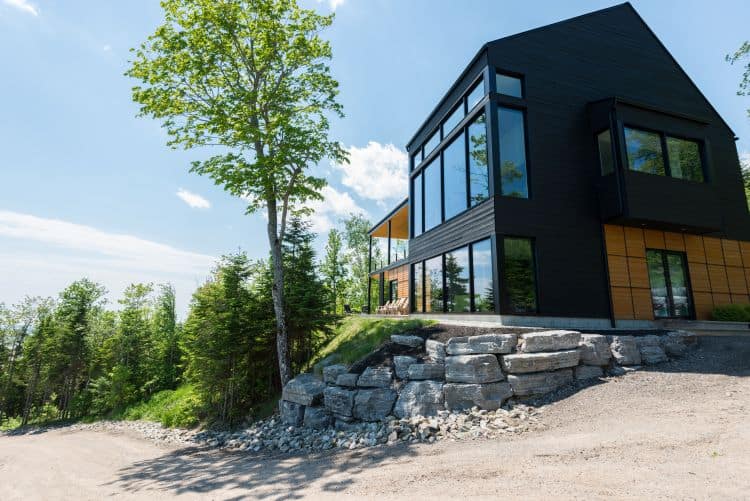
Like all exterior materials, wood expands and contracts as temperatures and moisture levels change. Dark paints and stains can intensify this movement because they absorb more solar heat, increasing the temperature of the material beneath the finish. Over time, this added thermal stress can contribute to premature coating failure, checking, cracking, fiber degradation, and reduced service life. We have seen a growing number of performance issues on projects using very dark exterior finishes, highlighting the importance of careful product selection and realistic expectations for long-term maintenance and longevity.
Understanding Light Reflectance Value (LRV)
An important factor when selecting exterior paint colors is Light Reflectance Value (LRV), which measures how much visible light a color reflects on a scale from 0 (absolute black) to 100 (pure white). Generally, the lower the LRV, the more solar heat a color absorbs, potentially increasing surface temperatures and thermal movement in the material beneath the coating.
As a general rule of thumb, colors with an LRV below 40 may increase the risk of premature coating failure, material movement, and a shorter service life compared with lighter colors. However, this is a guideline, not a universal cutoff. Acceptable LRV ranges vary by product, material, coating system, and manufacturer specifications.
Before selecting a dark color for siding or trim, always consult the manufacturer’s guidelines for minimum LRV requirements and approved coating applications. Using a color outside the manufacturer’s recommendations may increase the risk of performance issues and could affect applicable warranty coverage. Never assume a dark color is suitable simply because the paint is formulated for exterior use.
Choosing the Right Materials for Dark Finishes
Certain wood species and grain orientations can help improve performance, but no exterior material is immune to elevated temperatures. Manufactured products are not automatically a better solution, either. PVC and other plastic-based trim materials can experience significant thermal movement, which is why many manufacturers establish minimum LRV requirements for coatings.
Some factory-finished products, including LP® SmartSide® and James Hardie® siding, offer manufacturer-approved dark color options and may include finish warranties, subject to specific product requirements and warranty terms. Always confirm that your selected color and finish are approved for the intended application.
Ultimately, every exterior material involves tradeoffs between appearance, durability, maintenance, and long-term performance. The question isn’t simply which product can be finished in the darkest color, but which material best meets your expectations for longevity, upkeep, and overall performance.
A dark exterior can be beautiful, but understanding how heat affects building materials is essential to making an informed decision. By choosing appropriate materials, following manufacturer recommendations, and planning for ongoing maintenance, you can achieve the look you want while helping protect your investment for years to come.