
 CALL FOR A QUOTE TODAY
Painting Trends (i.e. Color Drenching for Interior Rooms)
Color Drenching for Interior Rooms
When planning a new paint project, homeowners often focus on choosing colors for the walls. One of today’s most distinctive interior painting trends takes color much further. Color drenching uses a single color, or closely related shades, across multiple surfaces to create an immersive and cohesive room. Walls, ceilings, trim, doors, built-ins, and other architectural details can all become part of the same palette. The result is a bold approach to color drenching interior design that can make everything from a bedroom to a powder room feel thoughtfully designed.
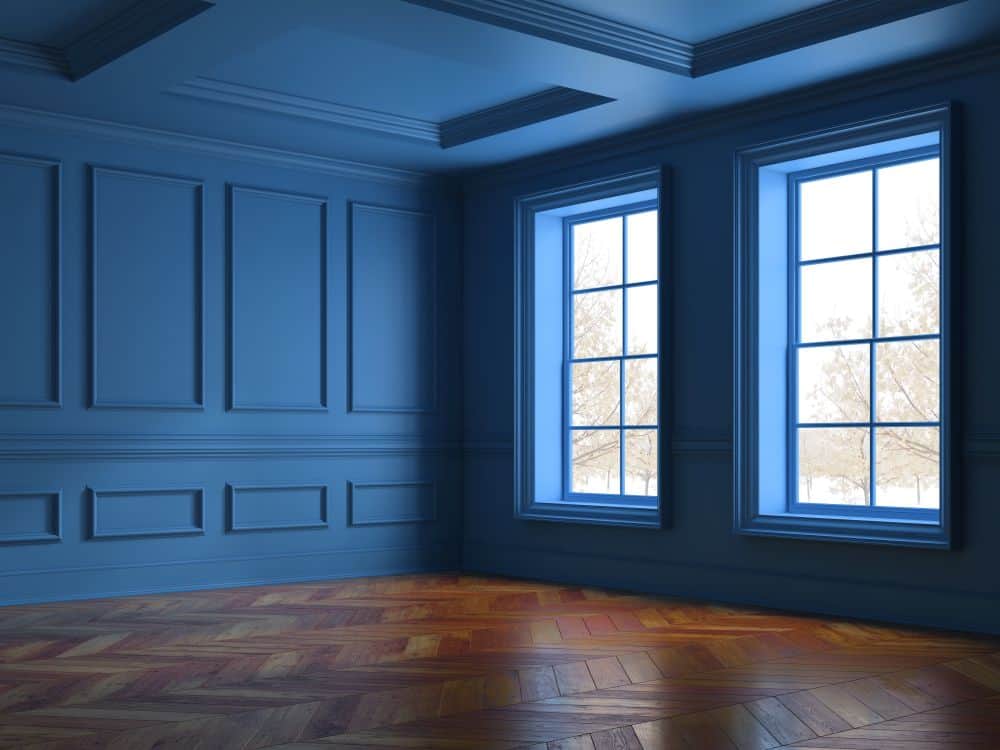
What Is Color Drenching and Why Is It Trending?
Color drenching is a painting technique in which a single color or color family is applied to most or all surfaces in a room. Instead of white trim breaking up colorful walls, for example, the trim may continue the wall color. Ceilings, doors, molding, and built-ins can also join the palette.
The technique creates a more immersive alternative to traditional accent walls. It can be executed with subtle neutrals or saturated colors, making it flexible enough for a variety of decorating styles.
Benefits of Using a Single Color Throughout a Space
The popularity of monochromatic spaces goes beyond aesthetics. Using one dominant color can:
- Create a cohesive, intentional appearance
- Reduce visual breaks between walls, ceilings, and trim
- Draw attention to architectural details through changes in sheen and texture
- Give smaller rooms a more seamless appearance
- Establish a distinctive mood without changing the room’s layout
Best Rooms for a Color Drenched Design
Consider spaces where creating a specific atmosphere is especially important. Some color drench designs for each room include:
- Bedrooms: Muted blues, warm taupes, earthy neutrals, and greens can create an enveloping atmosphere.
- Dining Rooms: Deeper shades such as charcoal, burgundy, navy, or forest green can give the room a dramatic backdrop.
- Home Offices: A unified palette can help create a focused, pulled-together workspace.
- Powder Rooms and Bathrooms: Smaller rooms offer an opportunity to experiment with stronger colors without committing to them throughout the entire home.
Popular Paint Colors for Modern Homes
The right modern paint color schemes depend on the room, lighting, furnishings, and atmosphere you want to create. Earthy shades can deliver warmth and comfort, while dark, saturated colors produce a more dramatic effect. Homeowners who like the monochromatic concept but are hesitant about bold color can start with a warm neutral palette.
Popular color families for a drenched look include:
- Warm whites and creams
- Mushroom and warm taupes
- Soft greige
- Sage and earthy greens
- Clay and terracotta-inspired hues
- Deep navy
- Forest green
- Charcoal gray
- Burgundy or plum
- Smoky teal
How Sheen Selection Impacts the Final Look
Color may remain consistent in a color-drenched room, but the paint finish does not necessarily have to. Using different sheens can provide subtle variation and help architectural features stand out. For example, walls might use a matte or eggshell finish while trim uses satin or semi-gloss. The slight difference in light reflection creates dimension without abandoning the single-color aesthetic. The appropriate finish should also account for the type of surface and the demands of the room.
Balancing Furniture and Décor in a Color-Drenched Room
Once the walls, ceiling, and trim share a similar color, furniture and accessories become important sources of visual contrast. The goal is not necessarily to make every object the same color. Color drenching creates the backdrop, while furniture, textures, and accessories add personality and definition.
Consider adding:
- Natural wood furniture
- Neutral upholstery
- Layered fabrics and rugs
- Metallic fixtures or hardware
- Artwork with complementary colors
- Decorative pieces in lighter or darker tones
- Plants and other natural textures
Common Mistakes to Avoid with This Painting Technique
A monochromatic room may look simple, but achieving a polished result requires careful planning. Some of the most common mistakes include:
- Choosing a color without testing it in the room’s lighting
- Using the same sheen everywhere
- Overlooking surface imperfections
- Forgetting how existing furniture will interact with the new palette
- Inconsistent coverage
Work with Professional Painters for Consistent Results
Professional residential interior painting can help provide consistent preparation, coverage, and finishing across these different surfaces. Proper wall repairs, surface preparation, primer selection, and precise transitions are particularly important when multiple architectural features are incorporated into one design. Trust a professional painting team for consistent, beautiful results.
Transform Your Home with a Fresh Approach to Color
rk MILES offers paint and supplies for all types of projects at our Manchester and Stowe Vermont locations as well as our Williamstown, Massachusetts location. We understand the right combination of color, finish, furnishings, and professional application can produce a room that feels cohesive, contemporary, and distinctly yours. Contact our professional team today to discuss color options.
Frequently Asked Questions About Color Drenching
What Does Color Drenching Mean in Interior Design?
Color drenching means using the same color, or closely related shades, across several surfaces within a room. Walls, ceilings, trim, doors, and built-ins may all be incorporated to create a cohesive monochromatic effect.
Which Rooms Work Best for Color Drenching?
Bedrooms, home offices, dining rooms, bathrooms, powder rooms, and living areas can all work well. The best choice depends on the atmosphere you want to create and your preferred level of color intensity.
Can Small Rooms Benefit from Color Drenching?
Yes. Carrying color across walls, ceilings, and trim can reduce strong visual transitions that divide a room into separate surfaces.
How Do I Choose the Right Paint Finish?
Consider both the surface and the desired effect. One approach is pairing matte or eggshell walls with satin or semi-gloss trim, maintaining the same color while creating subtle variation through sheen.